If you are preparing to sell an estate in Greenwood Village, square footage alone will not carry the day. Today’s buyers are comparing homes online first, then measuring every showing against condition, presentation, and how quickly they can settle in. In a market where polished, well-priced homes still stand out, thoughtful preparation can help you protect value and create stronger buyer confidence. Let’s dive in.
Why preparation matters in Greenwood Village
Greenwood Village is a small, high-value market with about 15,288 residents, a 64.1% owner-occupied housing rate, and a median owner-occupied home value of $1,237,800. Census data also points to a highly connected buyer pool, with 97.1% broadband subscription and 78.6% of adults holding a bachelor’s degree or higher. That means many buyers will arrive informed, selective, and ready to compare details closely.
Location also shapes buyer expectations. Greenwood Village includes part of the Denver Tech Center, offers direct access to I-25, sits next to I-225, includes three light rail stations, and is about 10 minutes from Centennial Airport. For an estate property, those access points support a lifestyle story that goes beyond the home itself.
Just as important, Denver Metro entered summer 2026 with active inventory near decade highs, according to DMAR. Buyers have negotiating power, and the gap has widened between move-in-ready homes and properties with deferred maintenance. In the $1 million-plus segment, closings were up 3.12% year to date, but buyers continued to favor updated finishes, well-maintained systems, and homes that feel ready to occupy.
Sell a turnkey lifestyle
In Greenwood Village, buyers are often looking for more than a large house. They are evaluating whether the property feels complete, easy to enjoy, and aligned with the area’s polished, outdoor-oriented lifestyle. That is why presentation and proof of condition matter as much as size.
A strong estate sale strategy should show buyers three things right away:
- The home is well cared for
- The design feels current enough for today’s expectations
- The property supports daily living, entertaining, and outdoor enjoyment
When those pieces come together, buyers are more likely to see the home as worth the asking price. When they do not, negotiations often shift toward repairs, credits, and uncertainty.
Start with condition and disclosures
Before you think about photos or staging, start with the home’s fundamentals. Buyers in the upper tier are paying attention to mechanical systems, windows, roofing, drainage, and overall maintenance history. DMAR specifically notes that buyers are prioritizing newer, well-maintained systems and updated finishes.
A pre-sale inspection is not required, but it can be a smart first step. NAR notes that inspections typically review the structure, exterior, roof, plumbing, electrical, heating and cooling, interiors, insulation, ventilation, and fireplaces. For sellers, the practical value is simple: you can uncover issues early and decide which repairs to make before the home hits the market.
Colorado sellers also need to plan for disclosures early. The Colorado Department of Regulatory Agencies provides the approved Seller’s Property Disclosure forms, and that makes timing important. If you gather disclosures, warranties, service records, and repair documentation before photography and showings begin, you create a smoother launch and reduce last-minute scrambling.
Don’t overlook radon planning
Radon matters in Colorado, especially in homes with basements or lower-level living areas. The Colorado Department of Public Health and Environment says radon is the second leading cause of lung cancer and is found at elevated levels in one out of every two Colorado homes. For a real estate transaction, CDPHE advises testing in the lowest area that could become living space and using a licensed radon measurement professional.
Colorado law also requires residential sale contracts to include radon warnings, the seller’s known radon history, and the CDPHE brochure. If your estate has a basement, guest suite, gym, or lower-level recreation area, it makes sense to address radon planning early rather than wait for a buyer to raise it during contract.
Refresh the exterior first
Greenwood Village has a strong outdoor identity. The city maintains more than 440 acres of parks, trails, and open space, along with about 40 miles of trails, including 5.47 miles of the High Line Canal Trail within the city. That setting influences how buyers respond to estate properties, especially homes with mature landscaping, terraces, pools, or generous yards.
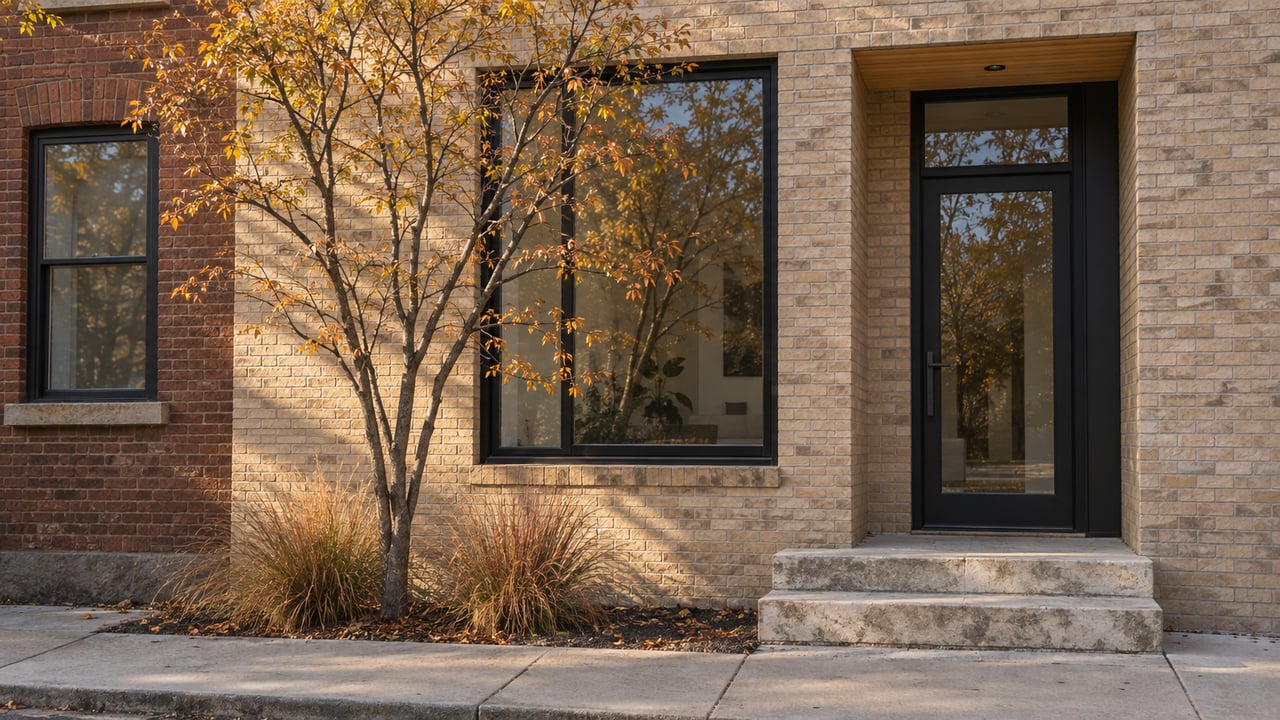
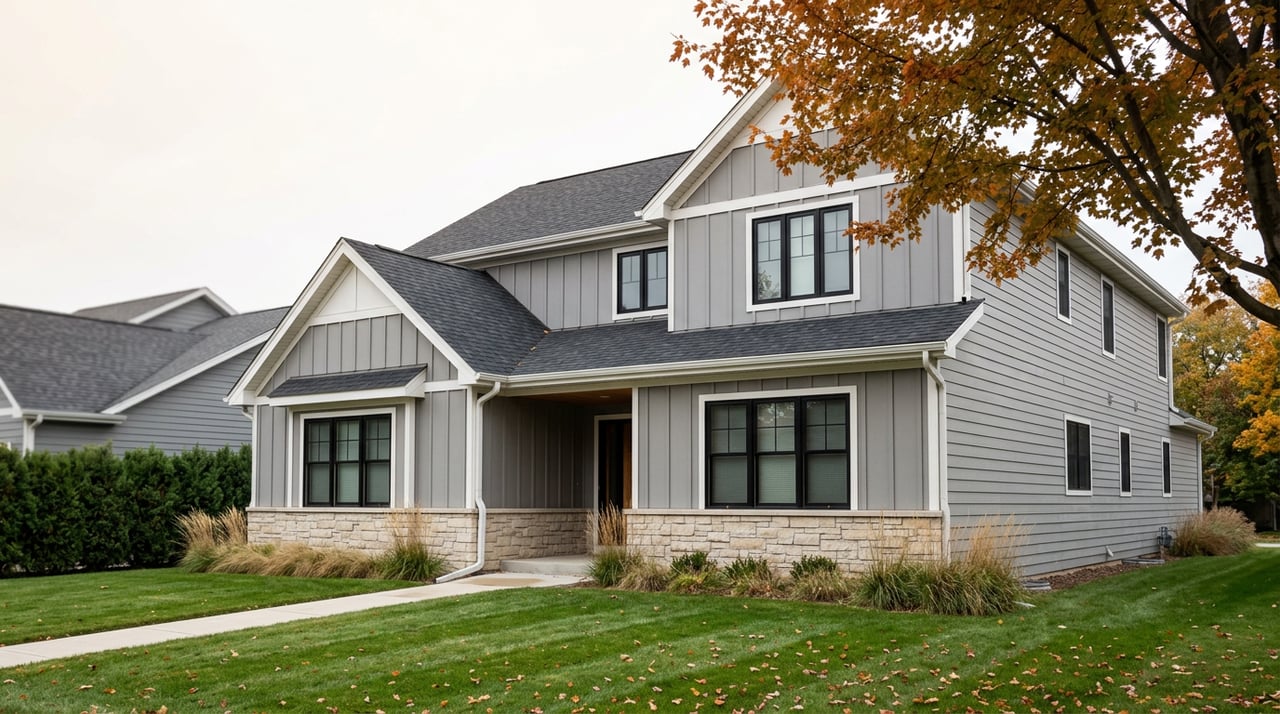
For that reason, exterior work should be a priority, not an afterthought. NAR reports that 92% of REALTORS® recommend improving curb appeal before listing, and 97% believe curb appeal is important in attracting a buyer. First impressions still do a great deal of heavy lifting.
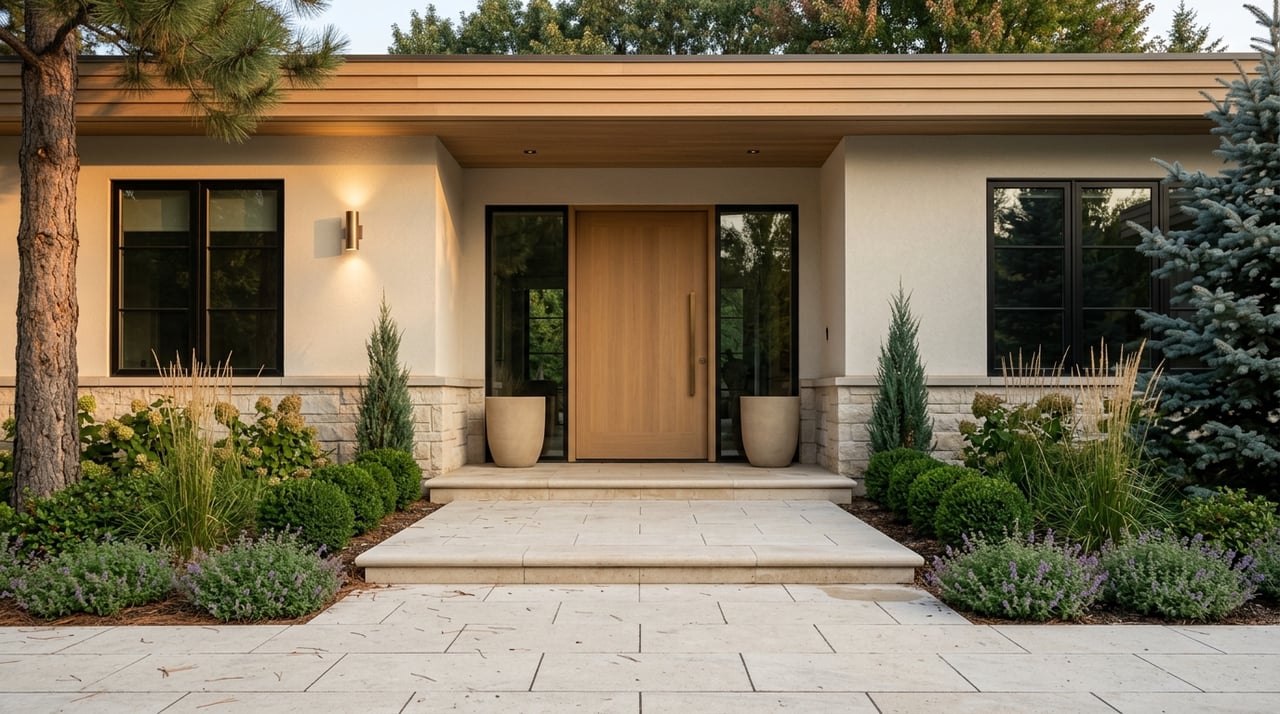
Focus on the full arrival experience, not just the lawn. The drive, front walk, lighting, entry, and landscaping should feel intentional and well maintained. If the exterior feels neglected, buyers often assume the same is true inside.
Outdoor spaces should feel usable
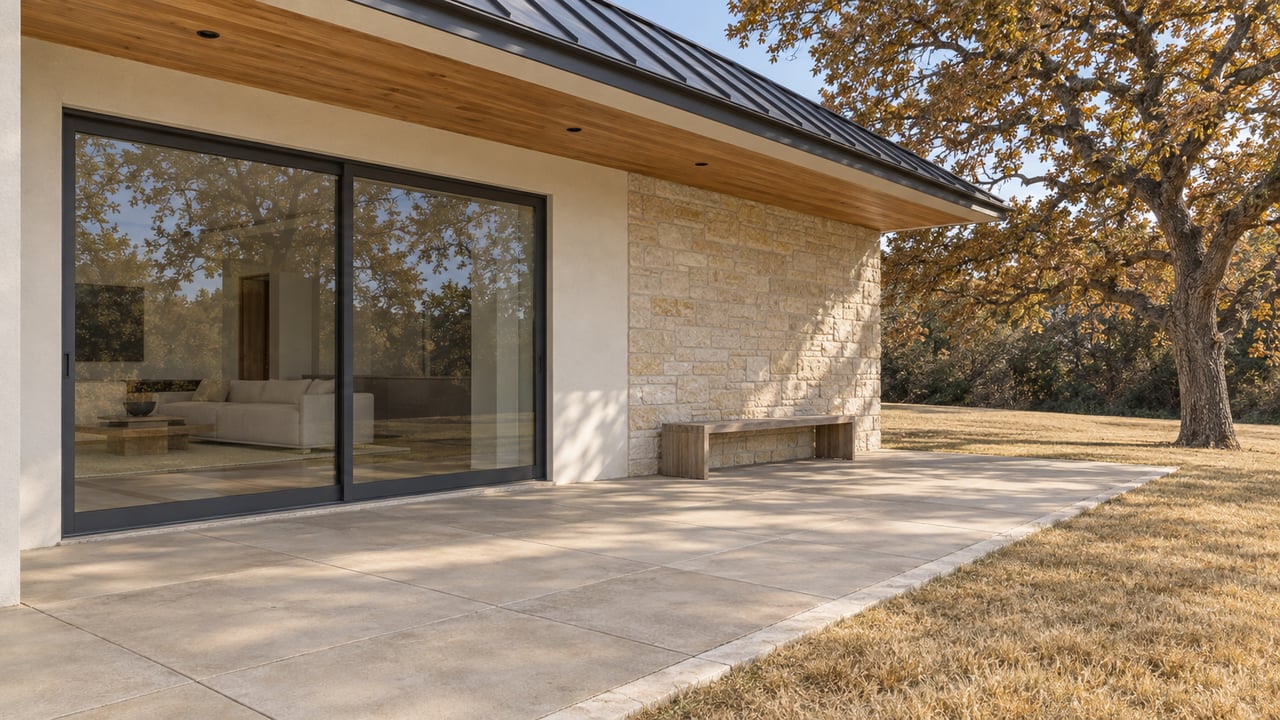
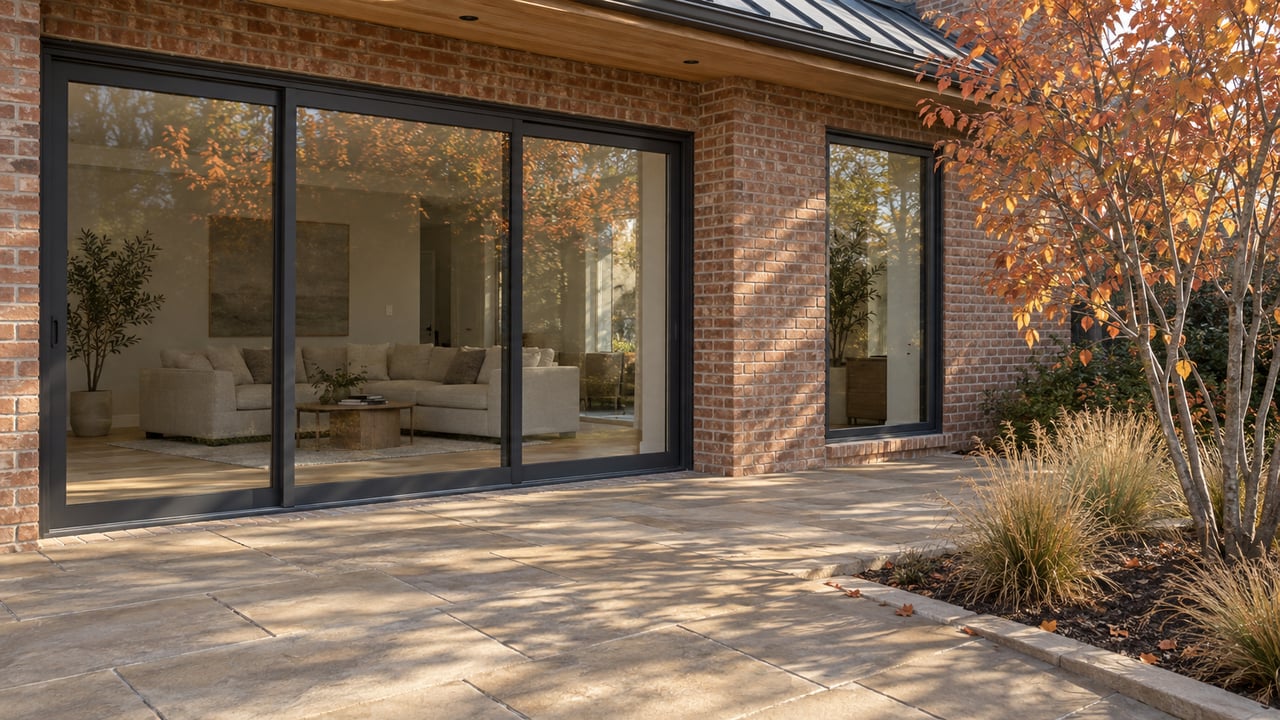
NAR’s staging guidance identifies outdoor spaces as one of the key areas to stage. For an estate in Greenwood Village, a covered patio, terrace, pool deck, or firepit area should read like an extension of the house. Buyers should immediately understand how the space functions.
A few updates can make a big difference:
- Define conversation or dining areas with scaled furniture
- Remove excess planters or decorative items
- Refresh outdoor lighting and replace worn cushions
- Clean hardscape, pool surrounds, and exterior glass
- Prune landscaping to open views and improve natural light
The goal is not to overfill the yard. It is to show ease, order, and a lifestyle that feels ready from day one.
Make selective interior updates
Not every estate needs a full renovation before sale. In fact, over-improving can add time and cost without a matching return. What matters most is removing signs of deferred maintenance and making the home feel fresh, bright, and current enough for today’s buyer expectations.
DMAR notes that sellers planning a move within a year should consider mechanical upgrades, window replacements, and other improvements that can support a faster sale and better price. NAR’s seller checklist also highlights decluttering, deep cleaning, paint touch-ups, landscaping, curb appeal, and minor repairs.
That usually points to a practical update list such as:
- Repairing visible wear and tear
- Repainting with clean, neutral tones
- Updating dated light fixtures where needed
- Replacing worn carpet or refinishing tired floors
- Servicing HVAC, plumbing, and other major systems
- Addressing fogged windows, damaged trim, or aging hardware
In luxury and estate properties, buyers notice the small signals. A sticking door, chipped stone edge, noisy mechanical room, or worn grout line can change the way the entire home feels.
Stage for both photos and showings
Staging is not just about decoration. It is about helping buyers understand scale, flow, and use. NAR’s 2025 staging research found that 83% of buyers’ agents said staging makes it easier for buyers to visualize the property as a future home, and about one-third said buyers were more willing to tour staged homes they saw online.
For estates, the most important rooms usually include the living room, primary bedroom, kitchen, dining room, and outdoor spaces. Those are also the spaces most commonly staged, according to NAR. If your home has specialty spaces like a study, wine room, wellness room, or guest suite, those should also have a clear purpose.
Strong staging in an estate setting often means less, not more. Simplified furnishings, balanced scale, and clean sightlines allow architecture, natural light, and grounds to lead the story. The result should feel elevated but livable.
Build a polished digital launch
Most buyers will meet your home online before they ever step inside. NAR reports that 52% of buyers found the home they purchased online, nearly half said their search started there, and 81% rated listing photos as the most useful feature in their search. That makes your digital presentation central to the sale strategy.
For a Greenwood Village estate, a polished launch should do more than document rooms. It should communicate atmosphere, scale, and setting. High-end photography, strong first-image selection, floor plans, and well-edited video all support that goal.
This is where narrative matters. A well-prepared estate should be presented as a complete lifestyle offering: arrival, light, outdoor flow, entertaining spaces, privacy, access, and everyday function. When the story is clear, buyers are better able to connect emotionally and justify the value logically.
Follow a smart prep timeline
If you have time to plan ahead, a structured sequence can reduce stress and improve results. Based on the market and preparation research, a practical 12 to 18 month approach looks like this.
Phase 1: Condition planning
Start with inspection strategy, radon planning, and disclosure organization. Review big-ticket systems and gather records, warranties, manuals, and repair history.
Phase 2: Exterior improvements
Address drainage, hardscape maintenance, landscape cleanup, tree pruning, exterior lighting, and pool or patio presentation. Strengthen the arrival experience first.
Phase 3: Cosmetic updates
Complete paint touch-ups, flooring work, fixture updates, deep cleaning, and minor repairs. Focus on the changes that make the home feel better cared for and more current.
Phase 4: Staging and launch
Finish with staging, photography, video, floor plans, and marketing materials. This final phase should present the property at its absolute best, once the hard work is already complete.
Price and presentation work together
Even a beautifully prepared home needs pricing discipline. DMAR notes that well-priced homes are still closing near list price, even while buyers hold more negotiating power overall. Preparation helps justify value, but it does not eliminate the need for a strategy grounded in current competition.
That is especially true in a market with elevated inventory. Buyers can compare more options, and they tend to reward homes that feel complete, transparent, and easy to purchase. The right estate preparation plan supports pricing because it reduces buyer objections before they form.
If you are planning to sell in Greenwood Village, the opportunity is not just to list a beautiful property. It is to present a home that performs in photos, in person, and during due diligence. That combination is what helps estate properties stand apart in today’s market.
A concierge preparation strategy can make that process far more efficient, especially when your goal is to protect privacy, maximize presentation, and enter the market with confidence. If you are considering a sale, Crowell Realty can help you evaluate timing, preparation priorities, and the right launch strategy for your property.
FAQs
What do Greenwood Village estate buyers expect before making an offer?
- Buyers often expect updated finishes, well-maintained systems, strong presentation, and clear evidence that the home is ready to occupy.
How important is curb appeal for a Greenwood Village home sale?
- Curb appeal is very important because it shapes the first impression online and in person, and it helps support the lifestyle value buyers associate with Greenwood Village.
Should you get a pre-sale inspection for a Greenwood Village estate?
- A pre-sale inspection is optional, but it can help you identify repair issues early and decide what to address before showings and negotiations begin.
What radon steps matter when selling a home in Colorado?
- Colorado sellers should plan for radon testing in the lowest area that could become living space, use a licensed radon measurement professional, and prepare for required radon disclosures in the contract process.
Which rooms should you stage before listing an estate home?
- The most important spaces usually include the living room, primary bedroom, kitchen, dining room, and outdoor areas, along with any specialty rooms that need a clear purpose.
Why does digital marketing matter for a Greenwood Village estate listing?
- Many buyers begin their search online, and listing photos, video, floor plans, and a strong visual story can influence whether they decide to schedule a showing.