If you are thinking about selling in Hilltop, the biggest question may not be whether to list, but how much to do before you do. In a neighborhood known for strong architectural character and premium price points, the wrong renovation can eat time and money, while the right pre-sale work can sharpen your position. This guide will help you weigh renovation, light refreshes, and selling as-is in Hilltop so you can make a smart, market-aware decision. Let’s dive in.
Hilltop sellers face a specific choice
Hilltop is not a generic Denver neighborhood. It is a tree-lined, architecture-rich area with a preservation-minded identity, and the Hilltop Neighborhood Association is a Registered Neighborhood Organization, not an HOA. Its boundaries are Colorado Boulevard, Alameda Avenue, Holly Street, and 8th Avenue.
That context matters when you prepare a home for market. Buyers in Hilltop are often looking closely at condition, design coherence, and how well a home fits the neighborhood’s established character. In some cases, exterior changes may also be shaped by the Hilltop Heritage Conservation Overlay District, which can affect standards for certain exterior remodels, additions, or new construction.
What the Hilltop market suggests
As of April 2026, Hilltop had a median listing price of $2.3 million, a median sold price of $1.6325 million, 42 active listings, a 46-day median days on market, and a 99% sale-to-list ratio. Realtor.com described Hilltop as a balanced market. That usually means buyers still pay for quality, but they have enough options to compare condition and presentation carefully.
The broader Denver market offers another useful signal. DMAR reported a 99.44% close-to-list ratio and a 14-day median in MLS in April 2026, while also noting that the $1 million-plus segment remained steady and buyers became more selective above $2 million. In Hilltop, that means location alone may not carry the day if your home feels dated, unfinished, or maintenance-heavy.
Why move-in readiness matters
DMAR reported that today’s buyers want clean, move-in-ready homes. That lines up with the 2025 Remodeling Impact Report from NAR and NARI, which found especially strong buyer demand for kitchen upgrades, new roofing, and bathroom renovations.
The takeaway is simple. Buyers tend to respond well to homes that feel polished, functional, and well maintained. They may respond less favorably to highly customized updates or projects that still feel incomplete.
When a full renovation makes sense
A full renovation can work when the home has strong bones but dated finishes or obvious maintenance issues are holding back value. If the layout already works and the updates will clearly improve how buyers see the home, a larger scope can be worth exploring.
Even then, Hilltop sellers should be cautious. DMAR’s Mountain-region ROI data shows that many large projects recoup far less than smaller, visible improvements. Upscale kitchen remodels, upscale bath remodels, primary suite additions, and solar installations all showed much weaker cost recovery than more focused updates.
If your likely project involves major design changes, structural work, or exterior alterations, you also need to factor in time. Denver requires permits for most construction, alteration, or repair work on single-family and duplex structures, and that can slow down your path to market.
Why a light refresh often wins
For many Hilltop sellers, a targeted refresh is the most practical middle ground. It can improve photos, showings, and buyer confidence without taking the property off the market for an extended stretch.
Denver says no building permit is needed for painting, floor coverings, refinishing wood floors, countertops, carpeting, cabinets, or like-for-like plumbing fixture replacements. Those are the kinds of updates that can make a home feel cleaner and more current without adding permit risk or major scheduling delays.
This approach also fits the local buyer profile. In a balanced market where buyers are selective, modest improvements to condition and presentation can do more for perceived value than an expensive luxury overbuild.
Which projects tend to pay off better
The strongest pre-sale improvements are often the ones buyers notice first and understand easily. In Hilltop, that usually means visible maintenance, clean finishes, and updates that support the home’s existing style rather than fight it.
DMAR’s ROI data found especially strong recoupment from smaller, high-visibility projects, including:
- Garage door replacement
- Steel entry door replacement
- Manufactured stone veneer
- Minor kitchen remodel
- Vinyl siding replacement
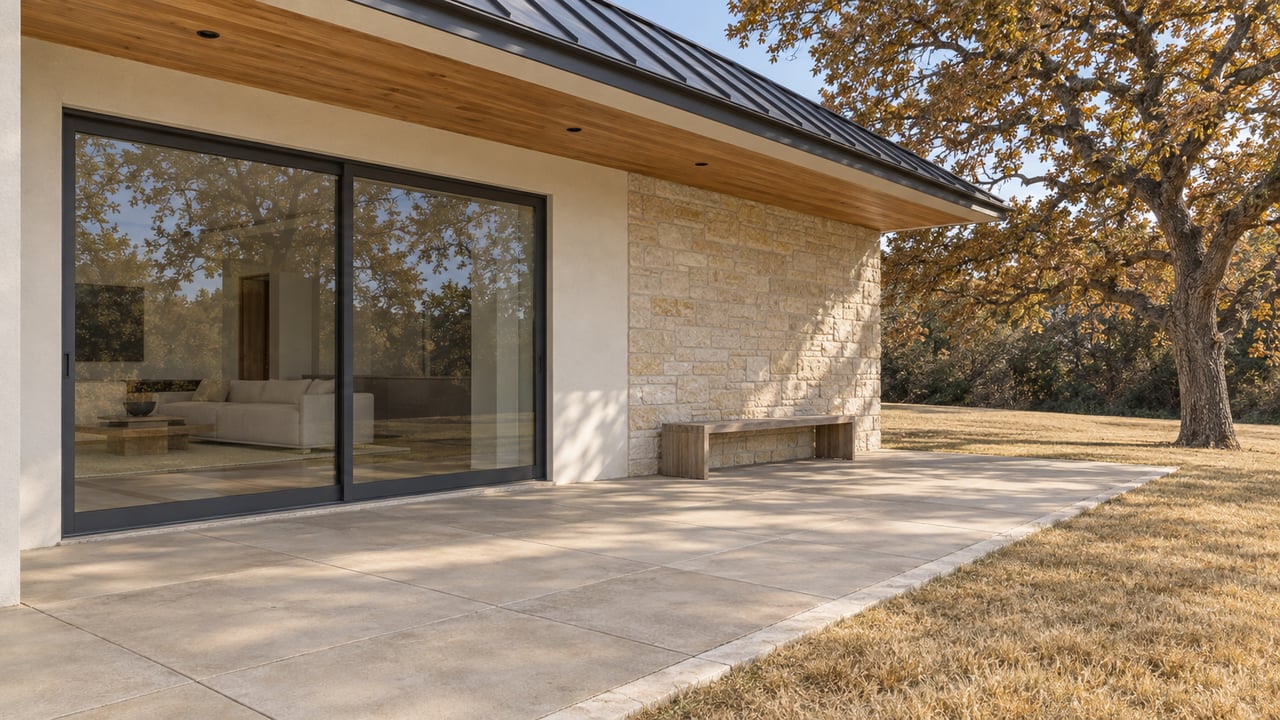
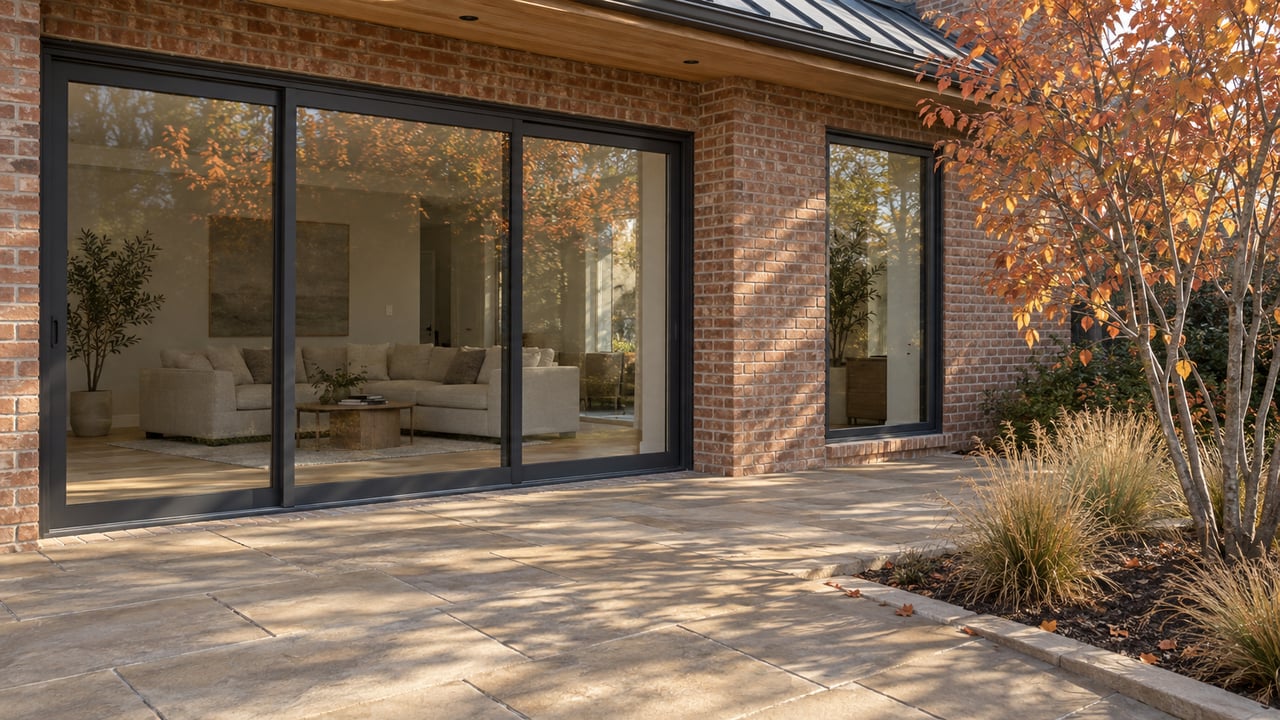
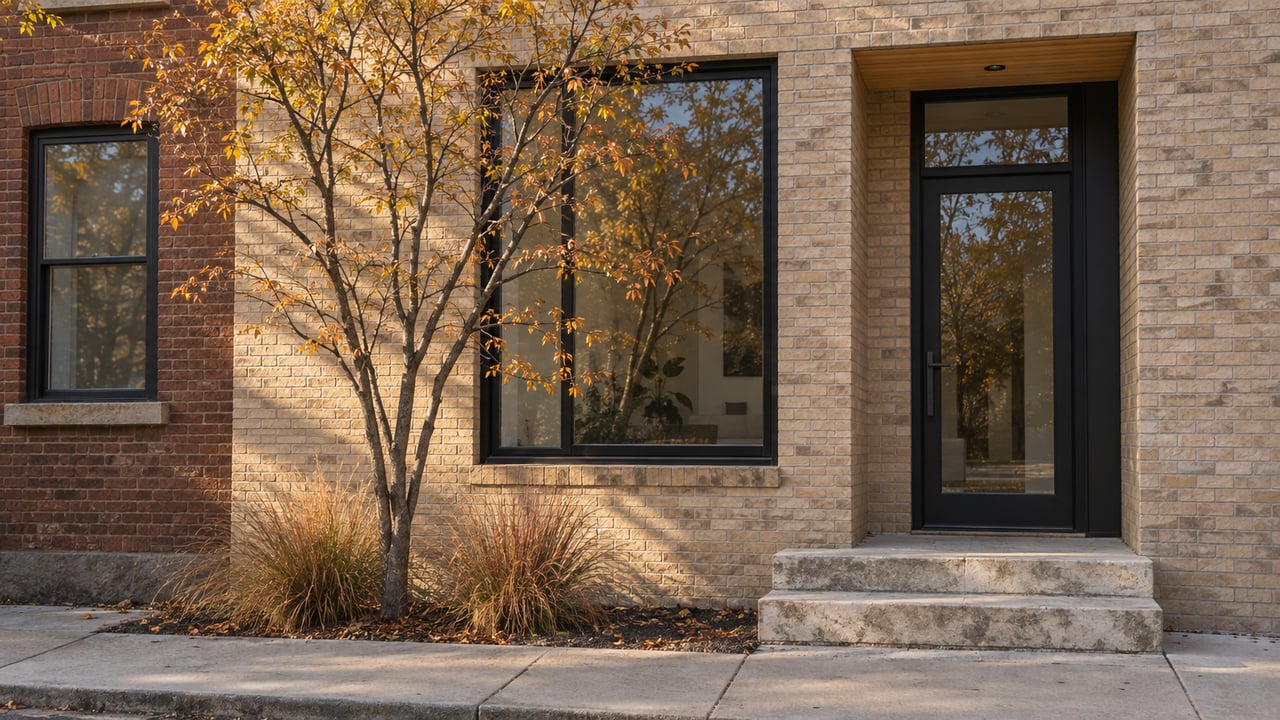
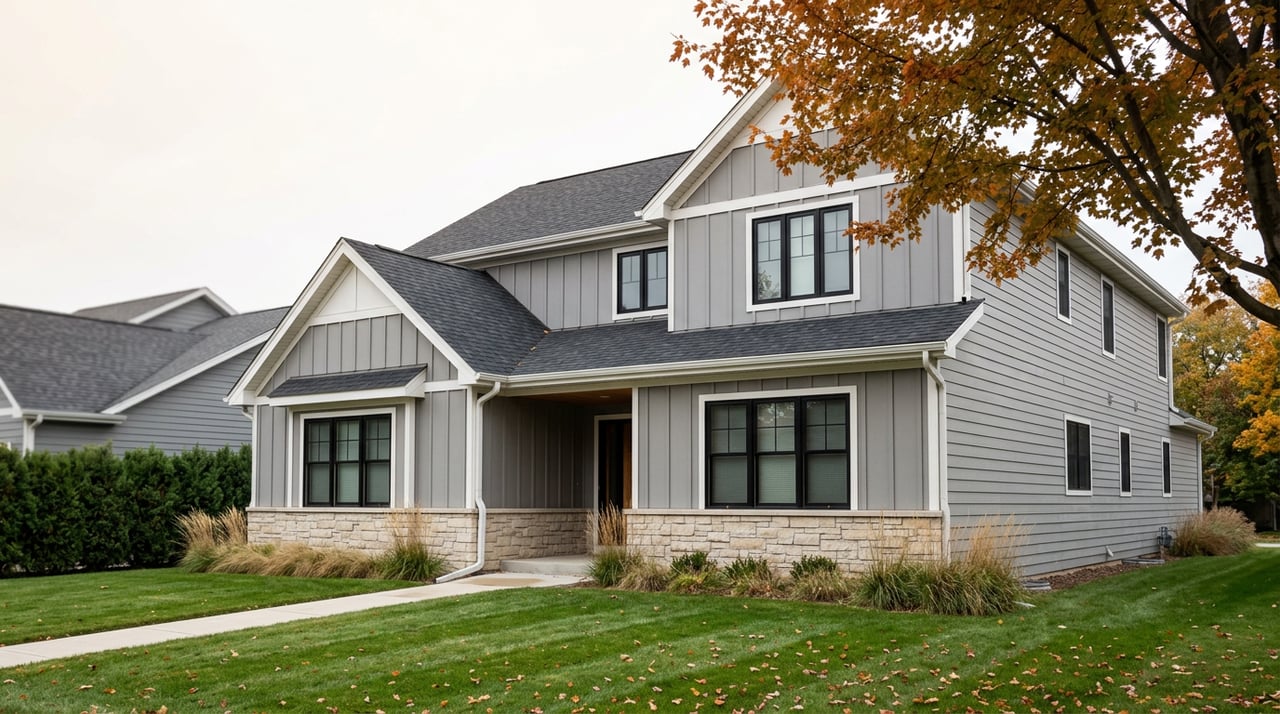
In Hilltop, curb appeal improvements can be especially helpful because the neighborhood is known for preserved character and architecture. A clean front entry, a well-maintained roofline, tidy landscaping, and restrained exterior cleanup can improve first impressions without overcomplicating the project.
Inside the home, kitchens and baths still matter. The best strategy is often to focus on clean, current, broadly appealing finishes instead of highly personalized choices or ultra-luxury upgrades that may not return their cost.
When selling as-is is the smarter call
Selling as-is can be the better choice when the work ahead is too large, too uncertain, or too slow for your timeline. If your likely renovation requires permits, plan review, specialty contractors, or design decisions that could stretch for months, the opportunity cost may outweigh the upside.
This is especially relevant if you want to list within the next 6 to 18 months. Denver notes that plan review times vary and projects are reviewed in the order received, with major residential projects taking a different path than minor ones. If speed, certainty, or convenience matters most, selling as-is may preserve momentum.
An as-is strategy can also make sense if the home’s value is driven more by lot, location, or long-term potential than by turnkey presentation. That is not every Hilltop property, but it can apply in situations where buyers see clear upside regardless of current finishes.
Hilltop’s design rules matter
Before you commit to exterior work, it is worth screening for zoning and overlay implications. Denver’s Hilltop Heritage Conservation Overlay District is intended to preserve distinctive neighborhood character, and certain exterior remodels, additions, or new-build work may need to meet overlay standards.
Denver also notes that historic-district style review applies to exterior changes tied to permits, not to interior paint or routine maintenance. That distinction matters. If your goal is to get market-ready efficiently, character-preserving improvements are often easier to defend than dramatic exterior transformations.
A simple decision framework
If you are unsure which path makes sense, start with three practical questions.
Is the problem cosmetic or structural?
If the home mainly needs fresh finishes, paint, flooring, lighting, or selective kitchen and bath improvements, a refresh may be enough. If it needs extensive structural, layout, or permit-heavy exterior work, the math becomes more complicated.
Will buyers clearly pay for the upgrade?
In Hilltop’s premium but balanced market, buyers may reward visible quality and move-in readiness. That does not mean they will pay dollar-for-dollar for every custom renovation. Smaller, strategic projects often have the more defensible return.
Does the timeline support the work?
If you want to list soon, permit-heavy projects can become a drag on your plans. Denver’s review timelines vary, and larger residential projects can take longer to clear. That is one reason many sellers do best with a selective pre-listing refresh rather than a major overhaul.
A practical pre-listing process
Before you choose renovate, refresh, or sell as-is, gather a small set of decision-making inputs. This keeps the process grounded in numbers, timeline, and local rules.
A smart starting point includes:
- A pricing opinion from a broker who knows Hilltop well
- A scoped estimate from a contractor for the work you are considering
- A permit and zoning screen if the project affects exterior features or structure
Denver also advises homeowners to get three written bids, verify contractor licensing and insurance, and avoid contractors who ask the homeowner to pull permits in the homeowner’s own name. Those steps can help protect your timeline and reduce surprises.
The most likely best answer in Hilltop
For many sellers in Hilltop, the strongest strategy is not a full bespoke renovation and not a pure as-is sale. It is often a selective refresh plus targeted repairs.
That approach fits the current market signals. Hilltop is a premium neighborhood, but it is also a balanced one where buyers can afford to be selective. When you improve visible condition, support move-in readiness, and respect the home’s architectural context, you often create a better path to strong pricing without taking on the risk of a major remodel.
If you are weighing what to update before selling, the right answer depends on your home, your timeline, and what buyers in this submarket are likely to value most. For a private market valuation or a tailored pre-listing strategy in Hilltop, connect with Crowell Realty.
FAQs
Should you renovate before selling a home in Hilltop?
- It depends on the scope of work and your timeline. In many Hilltop cases, a light refresh and targeted repairs make more sense than a full renovation because buyers value move-in readiness, while large remodels often recover less of their cost.
What updates matter most to Hilltop buyers?
- Buyers are likely to respond well to clean, well-maintained homes with updated kitchens, bathrooms, roofing, and strong curb appeal. Minor kitchen work, entry improvements, garage doors, and visible maintenance items tend to be more defensible than major luxury overhauls.
Can you sell a Hilltop home as-is?
- Yes. Selling as-is can be a practical option when the work is permit-heavy, time-consuming, or unlikely to produce a strong return. It can also make sense if speed and convenience matter more than completing a large pre-sale project.
Do exterior remodels in Hilltop require extra review?
- Some may. Denver’s Hilltop Heritage Conservation Overlay District can affect standards for certain exterior remodels, additions, and new construction, so it is wise to screen zoning and permit requirements before starting major exterior work.
What home improvements in Denver may not need a permit?
- Denver says painting, floor coverings, refinishing wood floors, countertops, carpeting, cabinets, and like-for-like plumbing fixture replacements do not require a building permit. These kinds of updates can be useful for pre-listing refreshes.
How long can permit-related work delay a Hilltop listing?
- The timing varies. Denver says plan review estimates are based on current averages and actual review times can differ, with projects reviewed in the order received. Larger residential projects generally involve more time than minor ones.