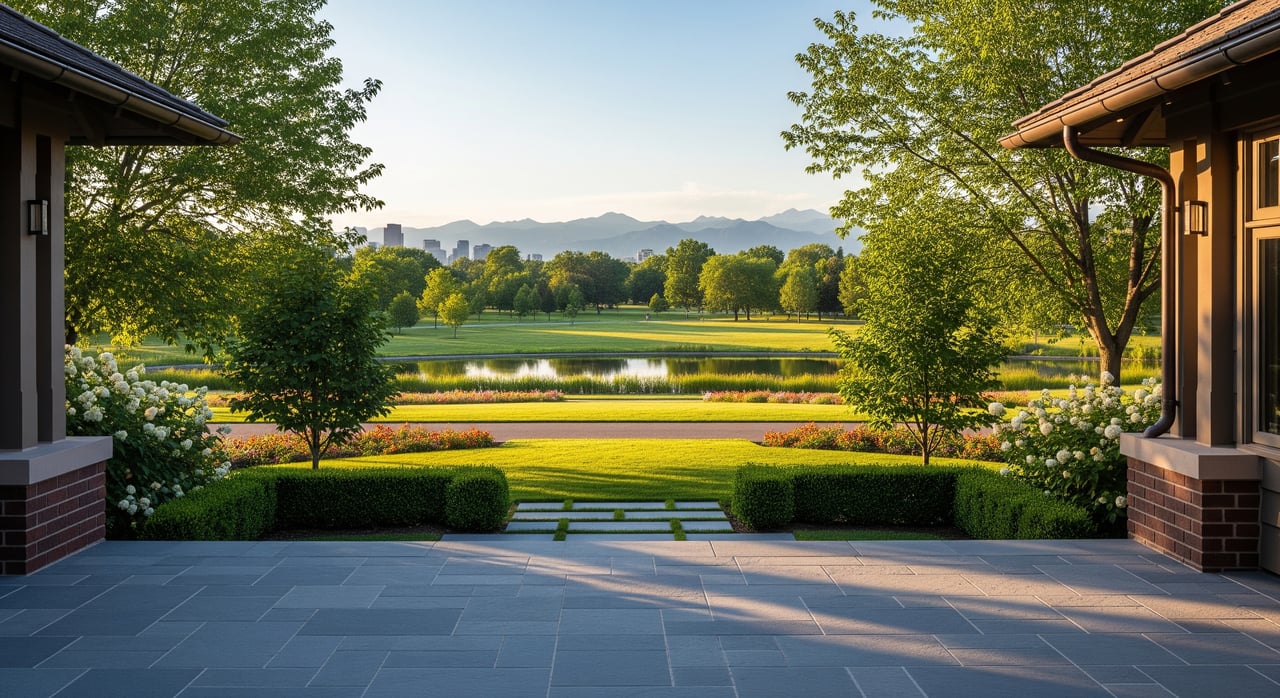
Ever wonder what it feels like when a city neighborhood truly revolves around its park? In Washington Park, your days often start and end with fresh air, tree-lined paths, and a friendly wave from neighbors on the loop. If you value a walkable, residential setting with easy access to green space, this corner of Denver delivers a balanced, low-key lifestyle. In this guide, you’ll see how daily life unfolds, where you’ll grab coffee and dinner, what homes look like, and how to navigate commutes, schools, and practicalities. Let’s dive in.
Neighborhood snapshot
Washington Park, or Wash Park, is one of Denver’s most established residential neighborhoods. Streets are quiet and leafy, with early 20th century bungalows, Craftsman homes, and a few Tudors and Victorians. You’ll also find some duplexes and rowhomes, plus limited low-rise condos near commercial corridors. The pace is relaxed and neighborly, with the big park at the heart of everything.
Community life is active and outdoorsy. You’ll notice runners, dog walkers, and casual tennis matches most days. Local groups and a strong stewardship culture support the park’s upkeep and events, adding to a sense of care and continuity that many residents appreciate.
Washington Park at the center
The loop and the lakes
The park’s signature feature is its continuous outer loop, a favorite for runners, walkers, and cyclists. Expect informal etiquette where different speeds and users share space. Mornings and late afternoons tend to be busiest, with quieter stretches midday.
Two scenic lakes anchor the landscape, with meadows and mature trees in between. You’ll see people pausing on benches, strollers making the rounds, and casual fishing or photography in season. The setting feels calm during the week and social on warm weekends.
Gardens and open lawns
In spring and summer, formal flower beds and manicured gardens draw picnickers and photographers. Open lawns host frisbee, catch, yoga, and impromptu family gatherings. Fall brings a colorful canopy, while winter offers peaceful paths and occasional sledding after snowfall.
Courts, rec center, and amenities
Recreation is a daily theme here. Tennis courts, playgrounds, and open fields welcome casual and intermediate players. A community recreation center and seasonal restrooms add convenience. Parking lines the perimeter streets, though weekends and events can make it busier.
When the park is busiest
Spring through early fall is the most active period, especially on weekends. Early mornings see training runs before the heat, while late afternoons attract group workouts and dog walks. Winter activity never fully stops, but shorter days and periodic bathroom closures shape routines.
A day in the life
Weekday morning
You might start with a sunrise lap on the loop, then walk to a café for coffee and a light breakfast. Parents often pass through with strollers or bikes heading toward schools or childcare. By 8 or 9, commuters peel off to downtown or nearby business districts.
Midday rhythm
Late mornings and early afternoons are calm. You’ll notice dog walkers, retirees, and remote workers taking calls on a bench. Lunch spots near the park see a steady trickle of regulars, and neighborhood errands are quick and relaxed.
Evenings
After work, the park wakes up again. Tennis courts stay active, runners circle the loop, and families head to the playgrounds. Dinner tends to be low-key at local favorites on nearby commercial streets, then a leisurely walk home under mature trees.
Weekends
Saturday and Sunday are lively. Expect brunch crowds, stroller groups, and longer social hangs on the grass. Events, community cleanups, and casual meetups create a friendly, shared rhythm. Street parking can tighten around popular times, so many residents walk or bike.
Where you get coffee, groceries, and dinner
Two corridors serve most daily needs. South Gaylord Street offers cafés, boutiques, casual restaurants, and services in a compact, walkable stretch. South Pearl Street brings more dining options, bars, and specialty retail, and it’s an easy reach from the eastern side of the park.
For larger shopping days, nearby areas like Cherry Creek or South Broadway expand your choices with broader retail and dining. Full-service grocery stores are a short drive from most blocks, while small markets and quick-service spots handle midweek essentials.
Homes and what to expect
Housing styles and streetscapes
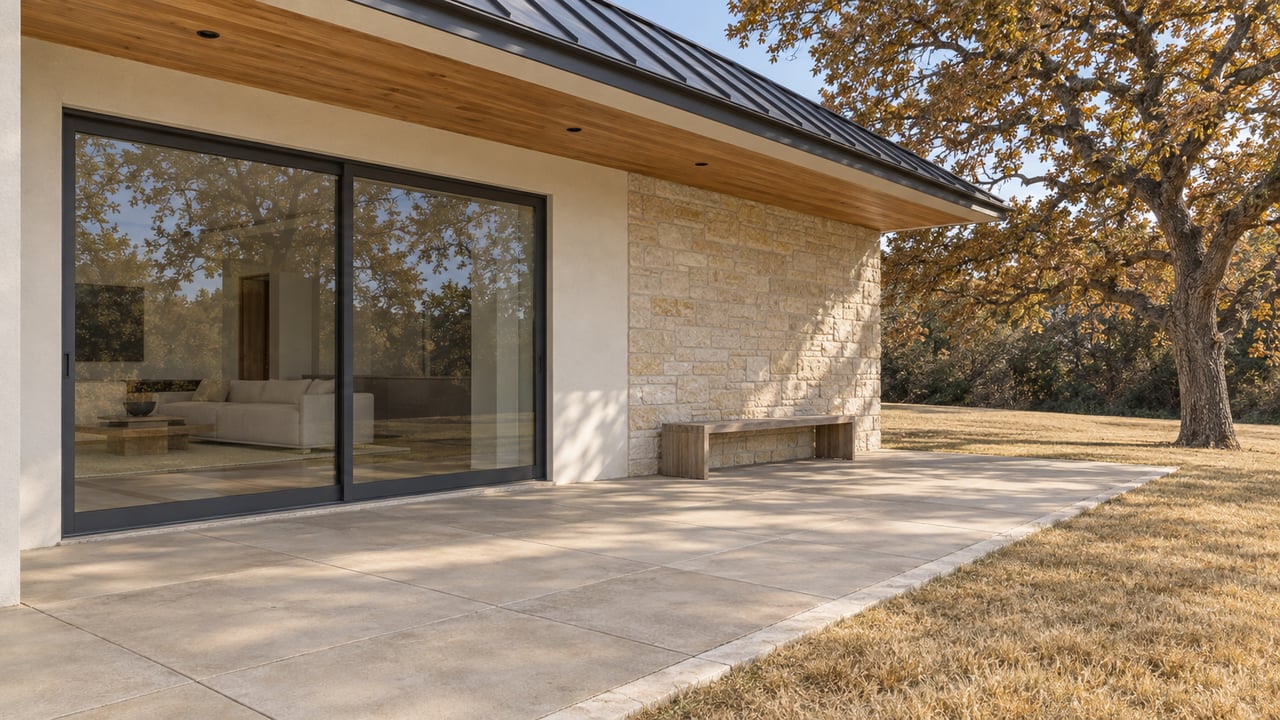
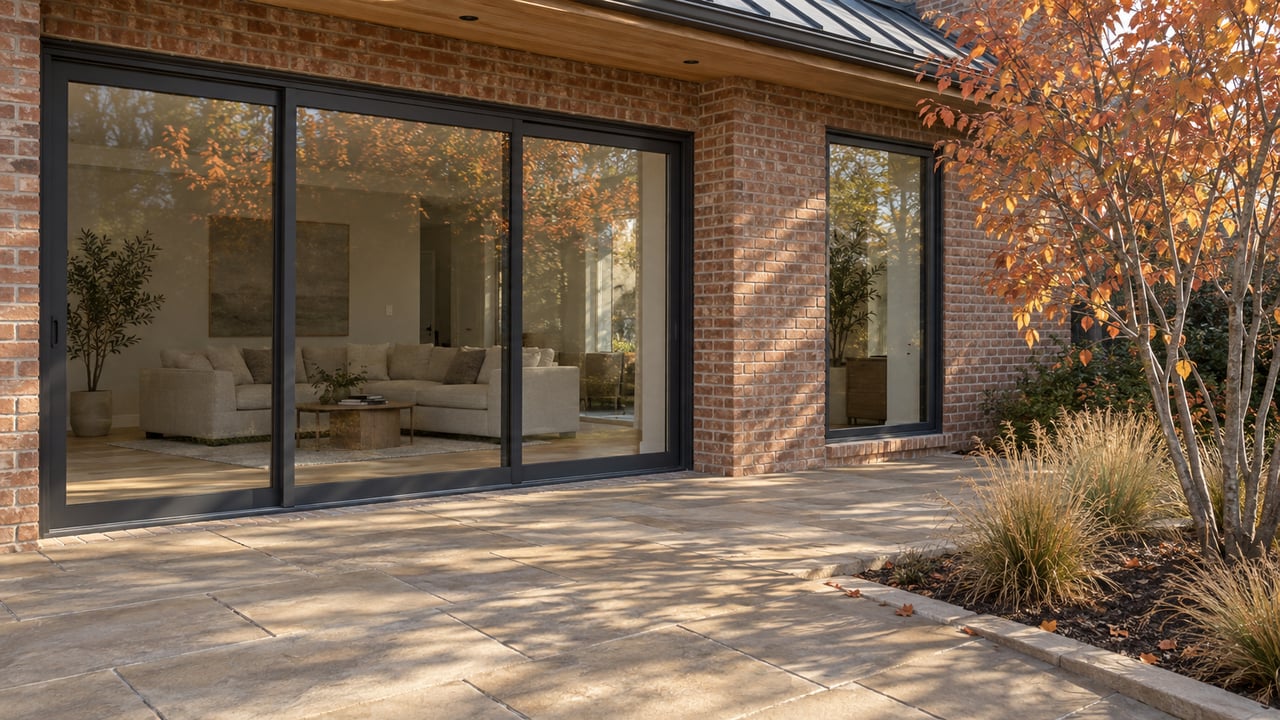
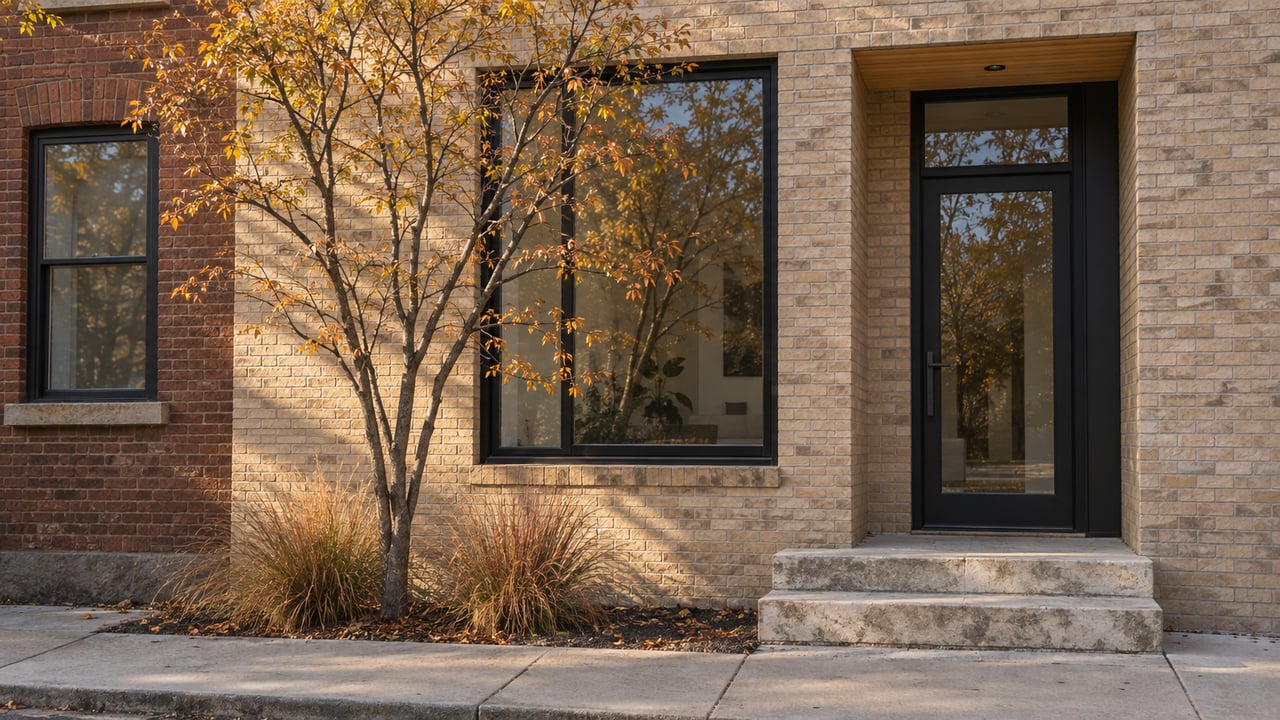
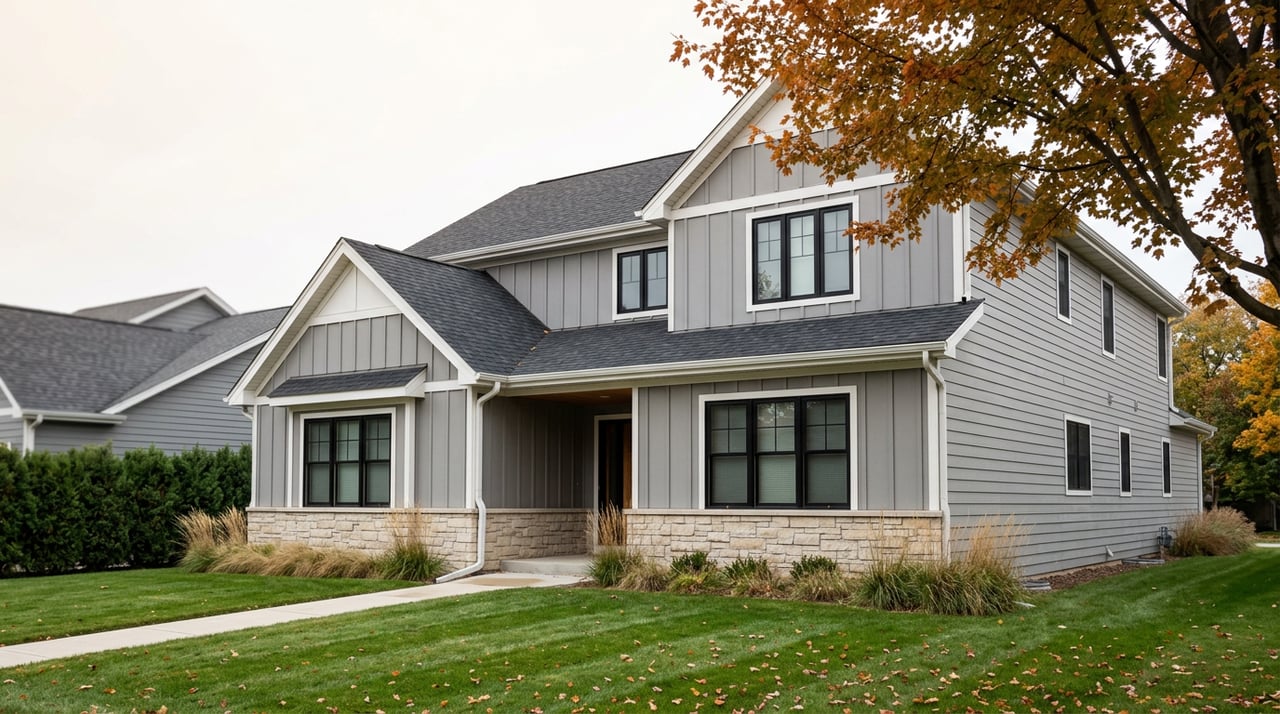
Architecture skews historic, with bungalows and Craftsman homes most common, plus some Tudors, Victorians, and tasteful infill. Mature trees, porches, and established landscaping set a classic neighborhood tone. Park-edge properties feel especially connected to daily green space.
Pricing and inventory
Homes near Washington Park are generally priced above Denver’s average, reflecting park access, location, and character. Inventory for single-family homes can be tight, and park-adjacent addresses often command a premium. Condos and smaller homes typically offer more attainable entry points.
Renovation and zoning
Many homes are older and may need modernization. If you are considering a project, ask about past upgrades to mechanical systems, insulation, and foundations. For larger changes or infill ideas, review current city zoning rules and any relevant neighborhood design guidance before you plan.
Condos, townhomes, and HOAs
Most single-family homes are fee-simple with no HOA. Condos and townhomes often include HOA dues that may cover exterior maintenance, landscaping, and snow removal. Always confirm what is included, budget for monthly costs, and compare amenities community by community.
Getting around
Washington Park is highly walkable and bike-friendly, with many errands possible on foot depending on your block. Several bus lines run on nearby arterials, and light rail stations are within a short drive or bus connection. Downtown commutes are typically reasonable, and by car can often be 10 to 20 minutes depending on traffic.
Parking on residential streets is usually straightforward outside of peak park periods. During weekends or events, plan for more competition near the park perimeter. Street cleaning and permit rules can vary, so check the details for your specific block.
Schools, childcare, and community
Washington Park is served by Denver Public Schools, with assignments determined by your exact address. Private and charter options in adjacent neighborhoods also serve local families. Daycare and preschool choices are common along the commercial corridors and nearby.
The neighborhood’s civic culture stands out. You’ll find active block associations, volunteer days, and a strong pride of place around park stewardship. It creates an engaged environment that spans families, professionals, and long-time residents.
Everyday practicalities
- Noise and activity: Living next to a beloved park brings intermittent noise from weekend events, sports, and dogs. Park-edge homes experience more of the ebb and flow than interior blocks.
- Dog culture: Expect lots of dogs and regular conversations about leash rules and etiquette. If you have a pet, you’ll fit right in. If not, you will still appreciate the friendly, outdoorsy vibe.
- Seasonal rhythms: Spring planting days, summer crowds, fall color, and winter snow management shape daily life. Paths are generally maintained, though seasonal bathroom closures can change routines.
East vs. west of the park
If you want quieter streets, look to interior blocks that sit a bit deeper from the main commercial corridors and perimeter arterials. If you want faster access to restaurants, coffee, and services, living closer to South Gaylord Street or South Pearl Street can be convenient. The tradeoff is simple: more energy near shops and park edges, more calm as you move inward.
Is Wash Park a fit for you?
Choose Washington Park if you want daily outdoor time built into your routine, a classic residential feel, and walkable access to small businesses. It suits buyers who prioritize green space, established architecture, and a friendly, active community over high-intensity nightlife. If that sounds like your pace, it is worth a close look.
If you are weighing blocks, comparing housing types, or exploring off-market options, let us guide you. For discreet advisory and a tailored search experience, connect with Crowell Realty.
FAQs
What does a typical weekday look like in Washington Park?
- Morning runs on the loop, quick coffee at nearby cafés, work or school commutes, quieter middays, then evening fitness, playground time, and casual dinners on local corridors.
How busy and noisy is the park on weekends?
- Weekends are lively, especially spring through early fall; expect more people on the loop, picnics on the lawns, and tighter parking near the perimeter during events.
What kinds of homes and price points can I expect near Washington Park?
- Mostly early 1900s single-family homes with some duplexes and condos; prices are generally above the Denver average, with park-adjacent homes commanding a premium.
How easy is the commute to downtown Denver from Washington Park?
- By car, many residents experience about 10 to 20 minutes depending on traffic; bus lines and nearby light rail provide reasonable transit alternatives.
What are the downsides of living near Washington Park?
- Parking can be tight during peak park times, occasional event or dog-related noise is part of the setting, and you will drive to larger-format retail beyond the immediate neighborhood.
Are there schools and childcare options near Washington Park?
- Yes, the area is served by Denver Public Schools with assignments based on your address, plus nearby private and charter options and a range of daycare providers.