Ever wonder why Bonnie Brae feels so distinct from other Denver neighborhoods, even before you look at a specific home? The answer is not just location. It is the way the neighborhood was planned, the homes that shaped its identity, and the careful mix of old and new that still defines the streets today. If you are buying, selling, or renovating in Bonnie Brae, understanding its architectural styles can help you better read value, character, and long-term appeal. Let’s dive in.
Bonnie Brae’s Design Story
Bonnie Brae is a compact southeast Denver neighborhood of about 650 residences, bounded by Exposition Avenue, Mississippi Avenue, Steele Street, and University Boulevard. It was planned in the early 1920s by George Olinger with landscape architects S. R. DeBoer and Walter Pesman.
What makes the neighborhood stand out is its departure from Denver’s usual grid. Instead of straight, uniform blocks, Bonnie Brae was designed with curving streets, a diagonal boulevard, and a centrally located elliptical park. That layout still shapes the way homes are experienced today, from corner sightlines to the rhythm of the streetscape.
Bonnie Brae Boulevard is also a designated parkway, with 20-foot setbacks on both sides. That means the public-facing landscape is part of the neighborhood’s architectural identity, and it can also affect how owners think about additions, fences, and frontage changes.
Tudor Revival Sets the Tone
If one style gives Bonnie Brae its clearest historic face, it is Tudor Revival. This is the style many people picture first when they think of the neighborhood.
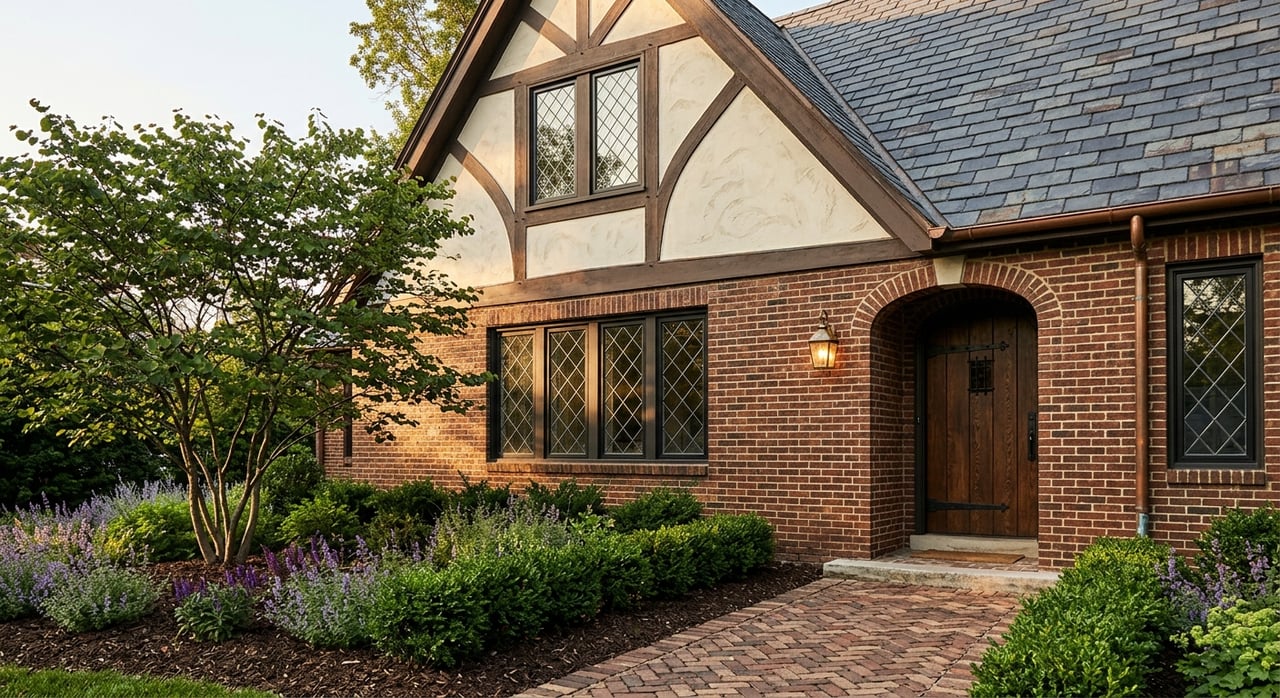
Tudor Revival homes are typically irregular in form, with steep roofs, masonry walls, tall narrow windows, and recessed entries. In Bonnie Brae, that often translates into brick homes with a warm, storybook feel rather than oversized or overly formal estates.
You can also see the style in details that buyers tend to remember. Arched doorways, stained glass, beamwork, barrel ceilings, and textured brick facades all help create the layered character that makes these homes feel both established and inviting.
Public listings in the neighborhood have described several homes near Bonnie Brae Park and along Bonnie Brae Boulevard as classic brick Tudors. These examples are useful illustrations of the style’s staying power, especially when original exterior character is paired with updated systems and thoughtful interior improvements.
What Buyers Notice in Tudor Homes
For many buyers, Tudor homes stand out because they offer character that is hard to replicate in newer construction. In Bonnie Brae, that usually means a strong street presence, recognizable masonry, and architectural details that feel rooted in the neighborhood.
From a value perspective, style alone is not everything. Condition, lot size, park adjacency, and the quality of updates matter too. Still, well-preserved Tudor homes often carry special appeal because they align so closely with Bonnie Brae’s historic identity.
Colonial Revival and Georgian Add Formality
Not every notable home in Bonnie Brae leans storybook. The neighborhood also includes a more formal architectural thread shaped by Colonial Revival and Georgian influences.
These homes tend to emphasize symmetry and classic proportions. Features often include balanced facades, refined entries, columns or pilasters, sidelights, fanlights, and in some cases Palladian windows.
In Bonnie Brae, this style family is often more restrained than ornate. You are more likely to see it expressed through composed brick houses and Georgian-leaning custom homes rather than highly decorative facades.
This matters because not every classic Bonnie Brae home announces its style in obvious ways. Sometimes the colonial vocabulary is subtle, showing up in proportions, entry design, or facade balance more than decorative detail.
Why This Style Matters for Sellers
If you own a home with Colonial Revival or Georgian influence, presentation matters. Buyers often respond to symmetry, order, and timeless curb appeal, especially when the home’s exterior and interior improvements support that classic tone.
That can also help explain why some homes feel broadly “traditional” while still standing apart in the market. In Bonnie Brae, formal brick architecture often appeals to buyers who want established character with a more tailored and understated look.
Mid-Century and Ranch Homes Add Texture
One of the most important things to understand about Bonnie Brae is that it is not a single-style enclave. While Tudor Revival may be the dominant historic signal, later architectural layers also contribute to the neighborhood’s identity.
After the Depression, Bonnie Brae saw renewed construction that brought more modern materials and forms into the mix. That is where mid-century, ranch, and International Style homes enter the story.
Ranch homes are generally low and horizontal, often one story, with low-pitched roofs, minimal ornament, and large picture windows. In contrast, International Style homes lean more modern, with smooth surfaces, flat roofs, bands of windows, and very little decoration.
Public examples in Bonnie Brae have included homes described as International Style overlooking Circle Park, along with mid-century residences and ranch homes on larger lots. Together, they show that the neighborhood evolved over time rather than freezing in one architectural moment.
What This Means for Today’s Buyers
For buyers, this layered mix creates more choice. If you love historic masonry and steep gables, a Tudor may be the draw. If you prefer cleaner lines, lower profiles, or a more modern layout, mid-century and ranch options may be a better fit.
This variety also helps explain price differences from one block to the next. In Bonnie Brae, architecture influences demand, but it works alongside location, lot size, condition, and the level of renovation.
Thoughtful Infill Keeps Bonnie Brae Evolving
Bonnie Brae has retained much of its historic character, even though some older homes have been replaced by contemporary residences. That tension between preservation and reinvention is part of what makes the neighborhood so interesting today.
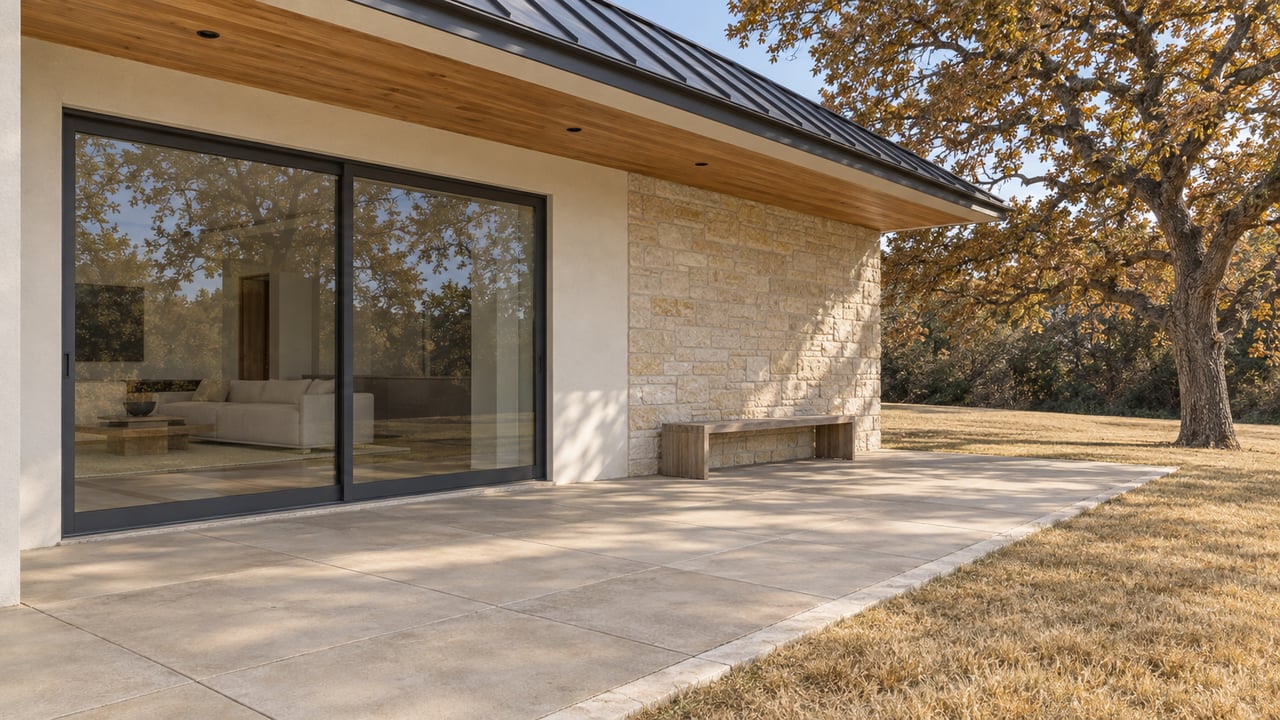
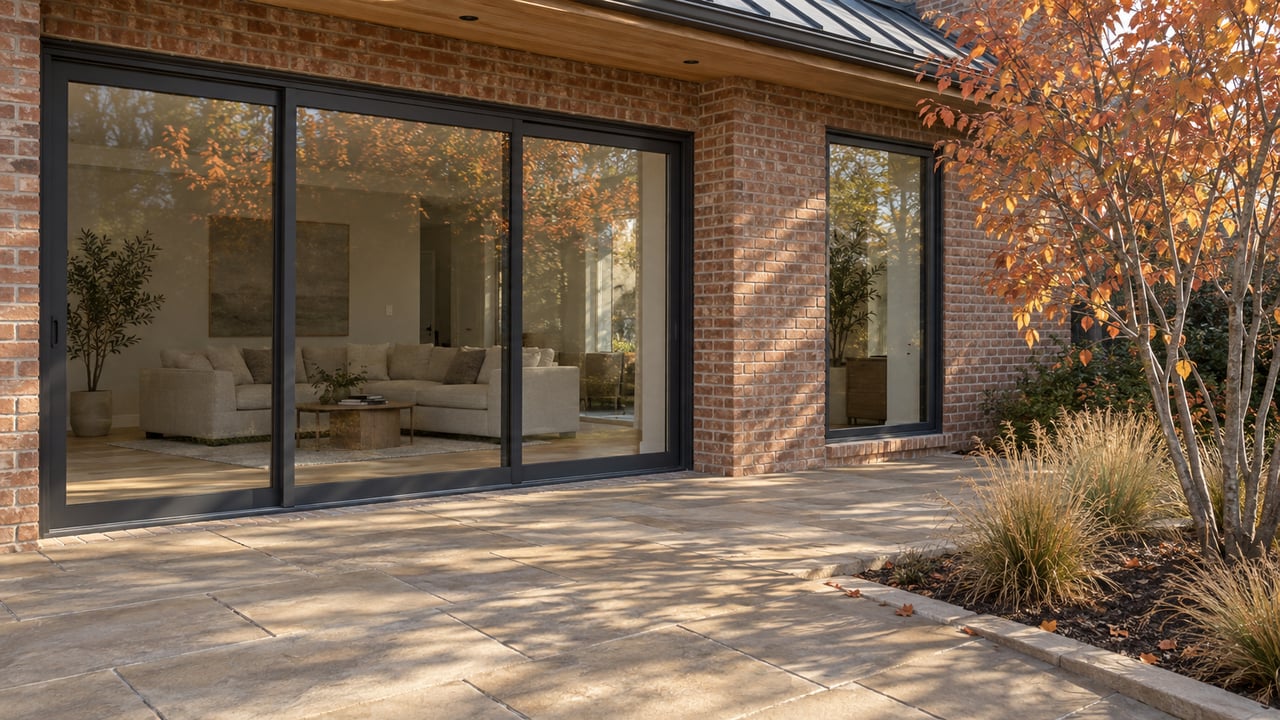
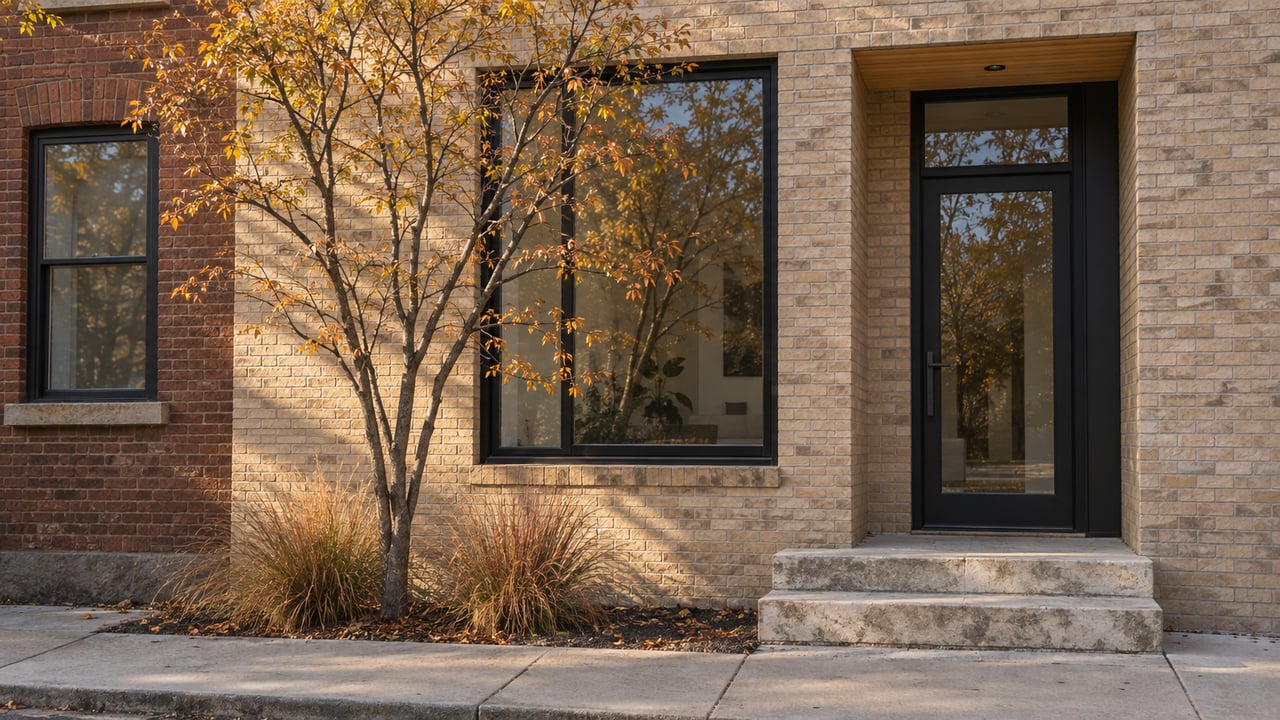
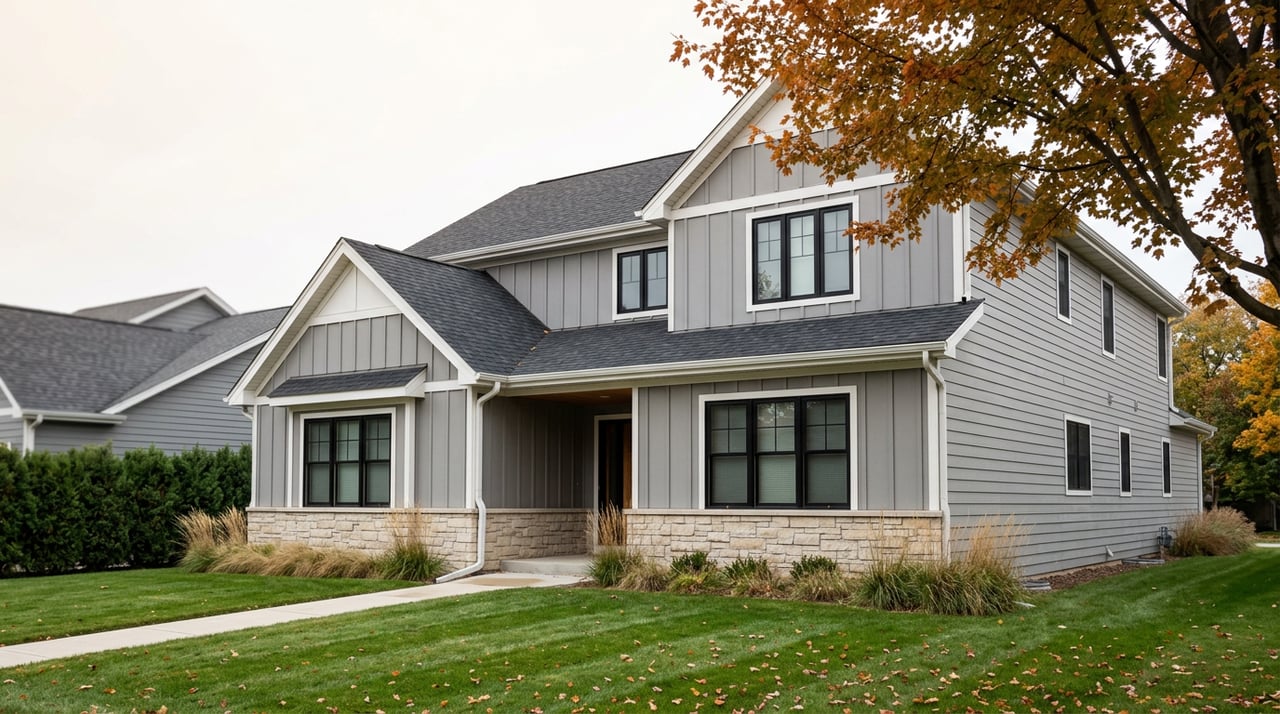
Current public listings suggest that newer infill in Bonnie Brae is often custom and high-end rather than uniform. These homes tend to use contemporary layouts and finishes while still borrowing cues from the surrounding neighborhood.
In practical terms, that often means brick or stucco exteriors, gables, landscaped setbacks, and more restrained massing. It is not a formal rulebook, but it does reflect a broader pattern of newer homes trying to fit the tone of the block rather than ignore it.
Why Infill Impacts Value
For sellers, thoughtful infill can raise expectations across the neighborhood, especially when new homes bring premium finishes and strong design. For buyers, it can mean access to modern floor plans in a location known for mature streetscapes and architectural identity.
It also reinforces an important truth about Bonnie Brae. Value here is rarely driven by square footage alone. Buyers tend to weigh design, lot quality, curb appeal, and how well a home fits its setting.
Architecture and Price in Bonnie Brae
If you are trying to understand the market through an architectural lens, broad price context helps. Current public snapshots place Bonnie Brae in roughly the mid- to high-$1 million range, depending on whether you are looking at recent sales or active listing prices.
Public neighborhood data has shown a median sale price around $1.49 million, a median listing price around $1.7 million, and some asking prices around $1.89 million. Several current listings are above $3 million, which shows how widely values can vary.
That spread makes sense in a neighborhood like this. A preserved original near the park, a renovated Tudor with major system upgrades, and a new custom build can all occupy very different price positions, even within the same small neighborhood.
Renovation Priorities That Respect Character
In Bonnie Brae, smart renovation is about more than a new kitchen or updated baths. The homes that age best in the market are often the ones where owners improve performance and livability without losing the exterior character that makes the property belong.
That usually starts with the basics. Masonry care, tuckpointing, rooflines, windows, insulation, HVAC, sewer-line work, and other core systems can have a meaningful impact on both comfort and long-term value.
For many older Bonnie Brae homes, buyers appreciate seeing that structural and mechanical needs have been addressed alongside cosmetic updates. A well-maintained brick exterior and preserved proportions often matter just as much as interior finishes.
Parkway Rules Matter on Bonnie Brae Boulevard
If your property is on Bonnie Brae Boulevard, renovation planning should include the city’s parkway requirements. Because the boulevard has 20-foot building-line setbacks on both sides, projects involving additions, fences, or frontage changes should be reviewed carefully before moving forward.
That does not mean change is off limits. It simply means the streetscape plays an active role in how architecture is experienced there, and successful projects tend to respect that context.
Why Bonnie Brae Architecture Holds Attention
Bonnie Brae stands out because it offers something many neighborhoods cannot. It has a clear design identity, but it is not visually repetitive.
Tudor Revival gives the neighborhood its historic anchor. Colonial Revival and Georgian influences bring order and formality. Mid-century, ranch, and International Style homes add later layers. Custom infill keeps the story moving forward.
For buyers, that means more nuance and more ways to find the right fit. For sellers, it means architectural storytelling matters. In a neighborhood like Bonnie Brae, design is not just background. It is part of what drives emotional connection and market value.
If you are considering a move in Bonnie Brae, or want advice on how your home’s style, condition, and setting may influence value, Crowell Realty can help you navigate the neighborhood with a more strategic eye.
FAQs
What architectural style is most associated with Bonnie Brae homes?
- Tudor Revival is the style most closely associated with Bonnie Brae, especially brick Tudors with steep roofs, masonry exteriors, and character-rich details.
Are all homes in Bonnie Brae historic in style?
- No. Bonnie Brae is a layered neighborhood that includes Tudor Revival, Colonial Revival, Georgian-influenced homes, ranch homes, mid-century residences, International Style homes, and newer custom infill.
How does architecture affect home value in Bonnie Brae?
- Architecture can influence appeal and pricing, but value also depends on lot size, location, preserved character, condition, park adjacency, and the quality of updates.
What should Bonnie Brae homeowners prioritize when renovating?
- In Bonnie Brae, thoughtful renovations often focus on preserving exterior proportions, masonry, rooflines, and windows while modernizing systems like HVAC, insulation, sewer lines, and other core infrastructure.
What should homeowners know about Bonnie Brae Boulevard projects?
- Homes on Bonnie Brae Boulevard may be affected by parkway rules that include 20-foot building-line setbacks, so additions, fencing, and frontage changes should be checked carefully during planning.
Are newer custom homes common in Bonnie Brae?
- Yes. Public listings show that Bonnie Brae includes custom, high-end infill, and many newer homes appear designed to reflect the neighborhood’s established character through materials, setbacks, and massing.