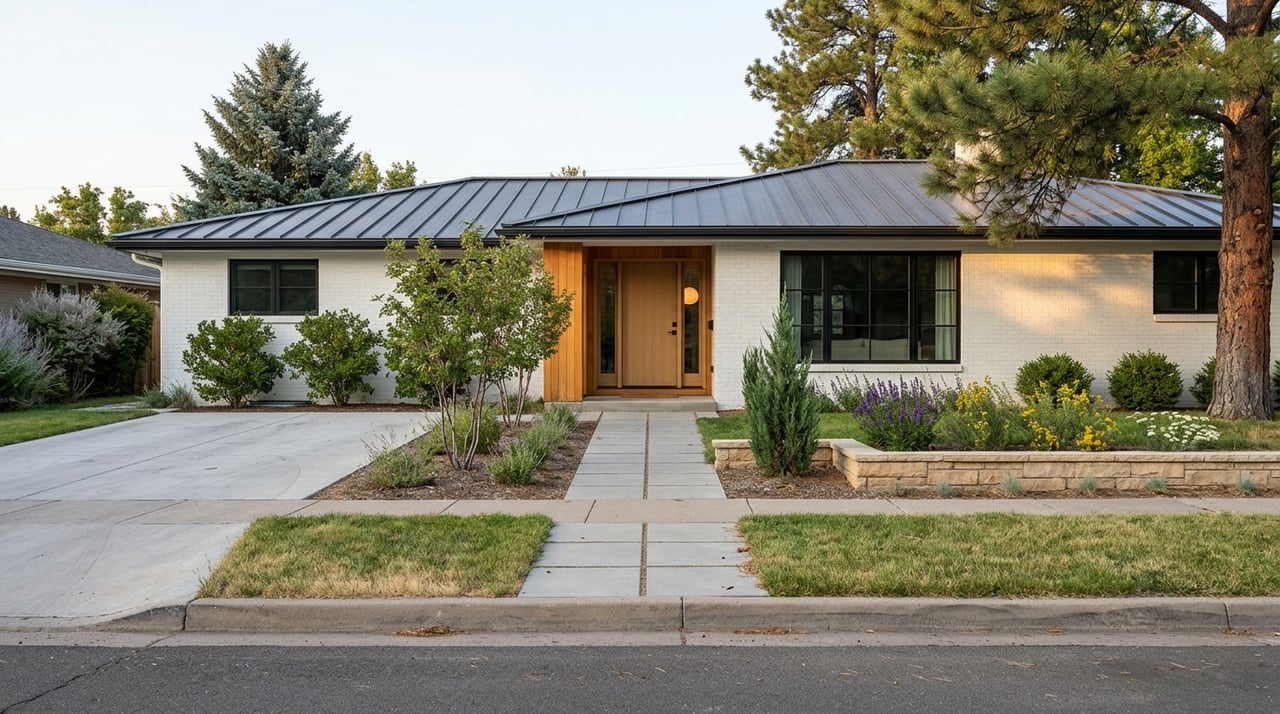
If your work or routine pulls you into Denver, you have probably asked the same question many buyers do: can you keep commuter convenience without giving up space, character, and a calmer daily rhythm? Applewood makes a strong case that you can. Tucked into Jefferson County on the west side of the metro, this area offers a blend of larger lots, mostly single-family homes, and practical access to major travel corridors. If you are weighing where to live next, Applewood is worth a closer look. Let’s dive in.
Applewood offers a west-side balance
Applewood is an unincorporated Jefferson County community and census-designated place. County history places it north of Colfax Avenue and up the slopes of South Table Mountain, while Lakewood planning documents group Applewood within the city’s north neighborhood area, generally stretching from the city limits on the north to US 6 on the south.
That setting matters if you commute into Denver. Applewood reads less like a dense inner-city district and more like an edge-of-city west-side neighborhood. You stay connected to the city, but your surroundings can feel more open and less compressed than many close-in urban blocks.
Commuters benefit from key road corridors
One reason Applewood works so well is simple: it sits within a strong east-west roadway network. Lakewood’s transportation planning identifies I-70, US 6, Colfax Avenue, Wadsworth Boulevard, Sheridan Boulevard, Kipling Street and Parkway, C-470, and US 285 among the area’s major roadways.
For many buyers, that corridor logic is more useful than chasing a promised drive time. Traffic, weather, road work, and time of day always affect the trip. What Applewood gives you is flexibility, with several major routes that help connect Jefferson County to Denver and the broader metro.
US 6 helps anchor daily access
Lakewood describes the US 6 Frontage Road area as serving northern and central Lakewood as well as Denver-area residents. It is suburban in nature and generally accessed by automobile, which aligns well with how many Applewood residents move through their day.
If you drive to an office, meetings, downtown destinations, or different parts of the metro, that matters. You are not relying on a single neighborhood street pattern to get in and out. Instead, you have access to a broader road system that supports day-to-day mobility.
I-70 strengthens regional reach
Lakewood also notes that Colorado Mills sits off the I-70 West and Sixth Avenue corridor, about 7 miles west of downtown Denver and on Lakewood’s western border near the foothills. That gives useful context for understanding how the west side connects back toward the city.
For commuters, this supports Applewood’s appeal beyond a basic downtown drive. It also helps if your routine includes airport runs, regional travel, or work that takes you across multiple parts of the metro area.
Larger lots change daily life
Convenience alone does not make a neighborhood feel right. Applewood stands out because its commuter access comes with a housing pattern that feels notably different from many Denver neighborhoods.
Jefferson County’s historical profile says the area was originally assembled around roughly 600 home sites of a half-acre or more. It also describes curving roads, spacious lots, and bridle paths, with the area evolving from farms and larger-acreage ranches into residential homes.
That history still shapes the experience today. Even when homes have been updated over time, the underlying pattern often means more yard space, more separation between homes, and a stronger sense of openness.
Older homes bring character and variety
Lakewood’s comprehensive plan says the Applewood, Eiber, and Morse Park neighborhoods are made up mainly of single-family homes, with a large number of horse properties in the broader north Lakewood area. It also notes that much of the housing stock was built in the 1940 to 1959 and 1960 to 1979 periods.
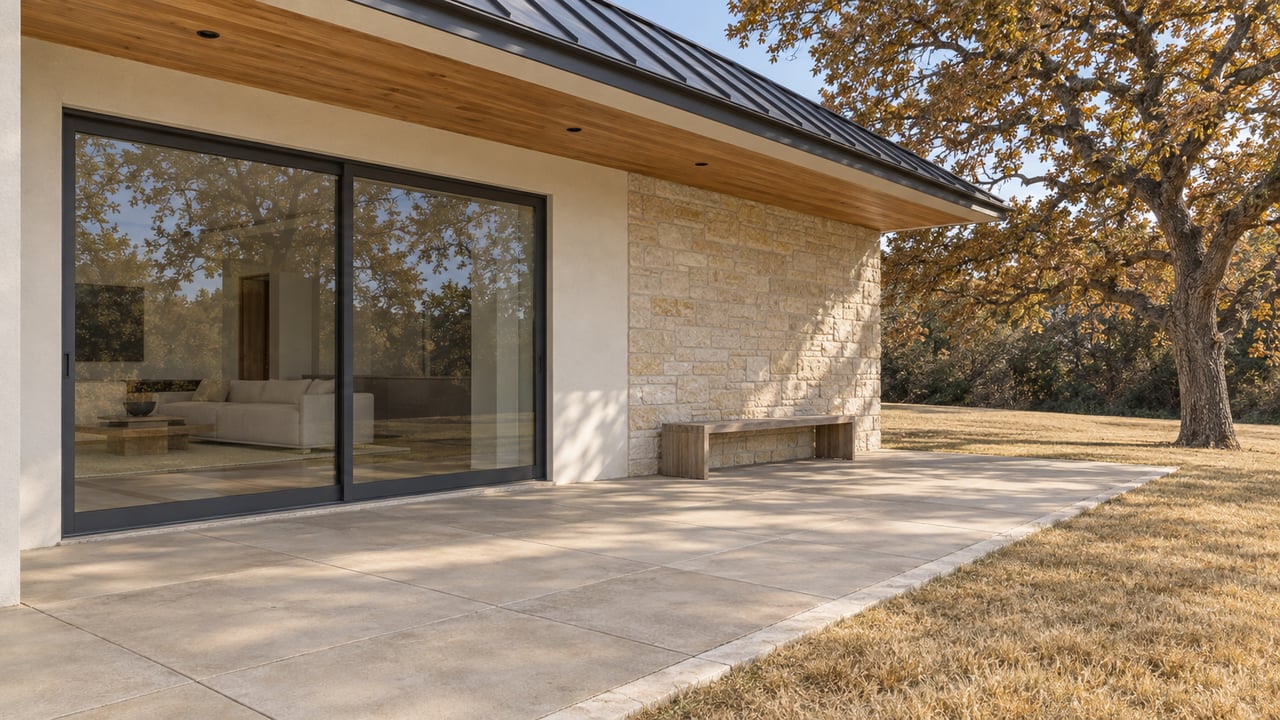
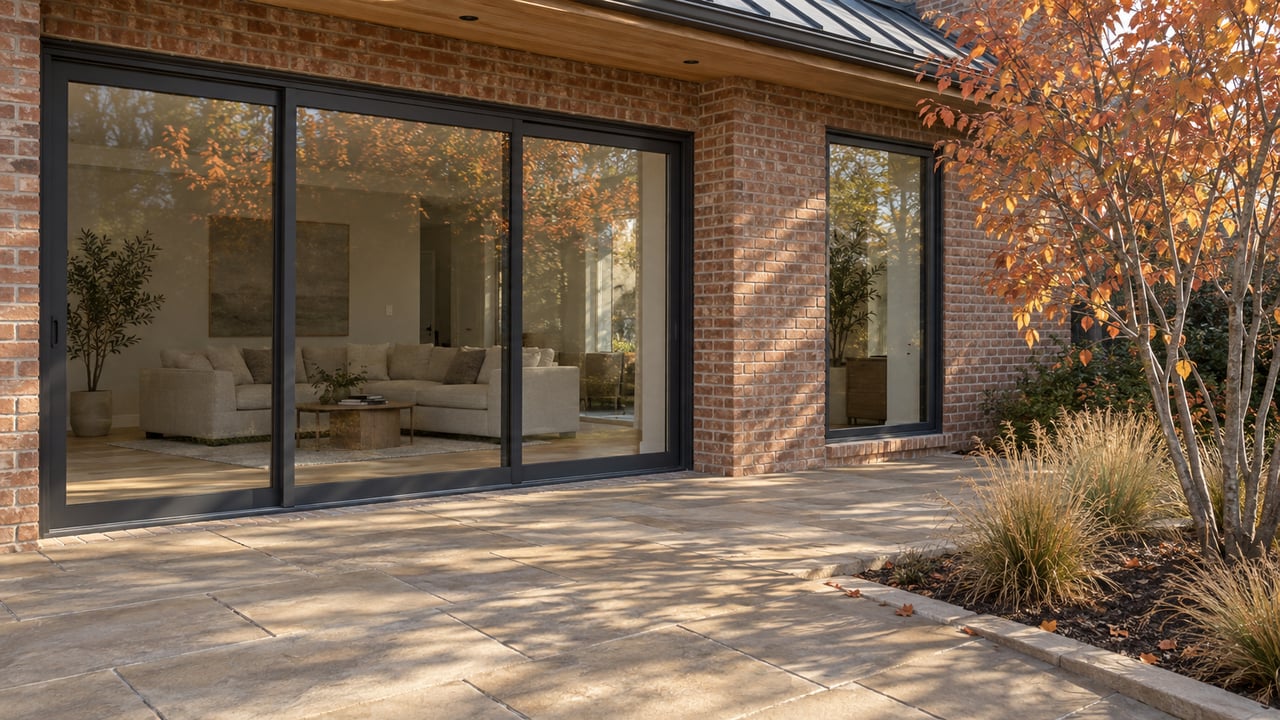
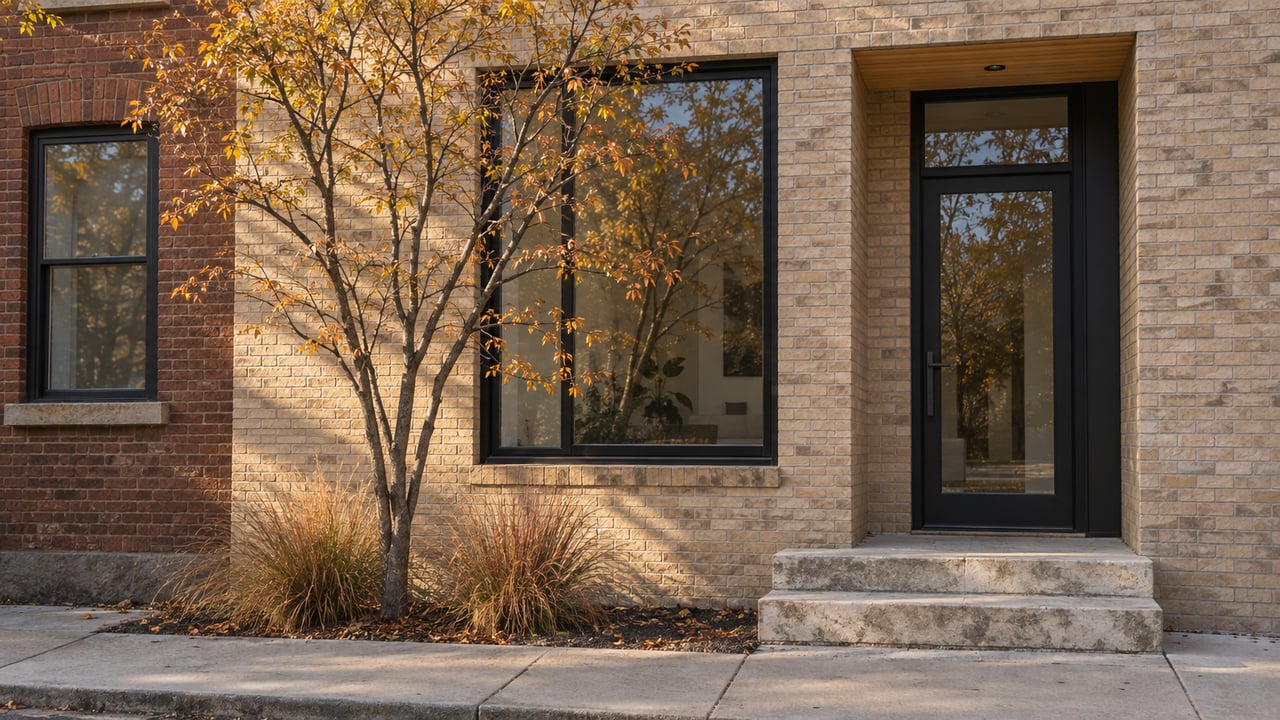
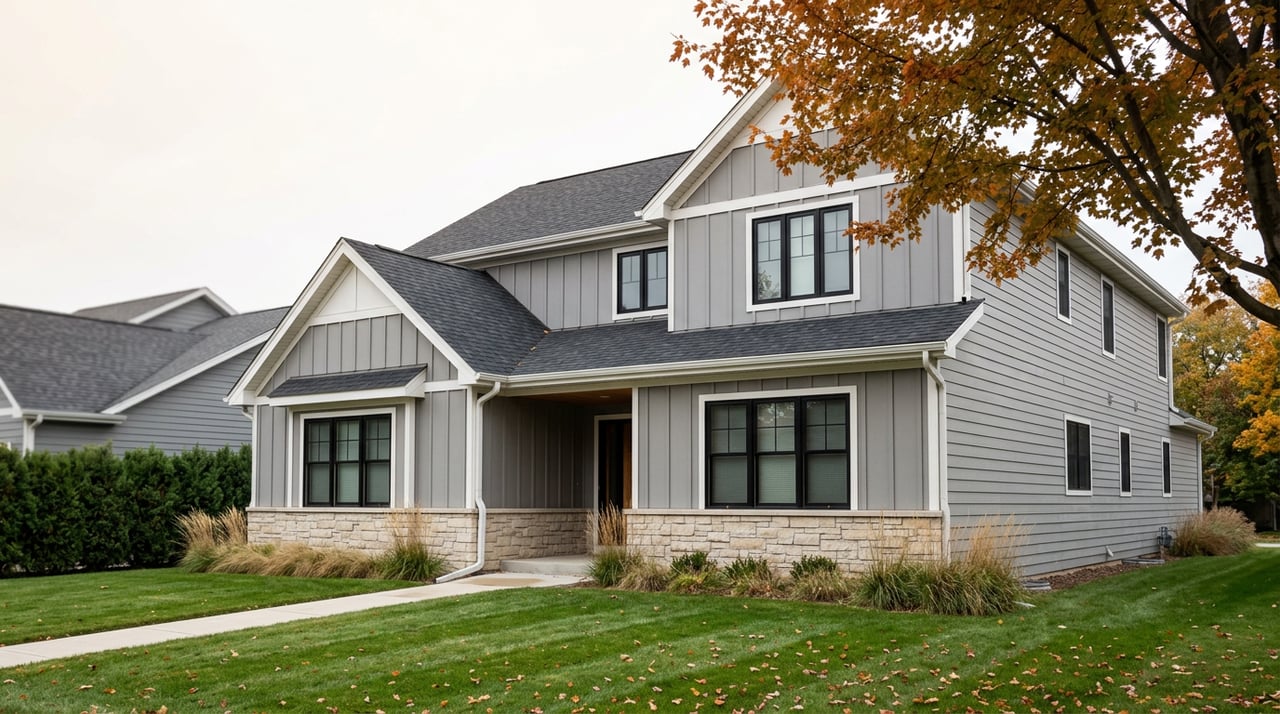
For buyers, that usually means you are looking at an established neighborhood rather than a brand-new subdivision. You may see ranch-style layouts, split-level homes, and a mix of original condition and renovated properties. That range can be appealing if you value character, lot size, and the chance to find a home with a more individual feel.
The semi-rural feel is part of the draw
Lakewood also notes that much of this older housing was built without curb, gutter, and sidewalk. That planning detail helps explain why Applewood still holds onto a semi-rural feel that many residents value.
For a Denver commuter, this can be a meaningful tradeoff. You may spend part of your day moving through city traffic, but you come home to a setting that feels quieter, greener, and less built out.
Open space helps the commute feel worth it
A neighborhood works better for commuters when daily life feels rewarding outside of work hours. Applewood benefits from Lakewood’s broader west-side parks and trail system, which adds a strong lifestyle component to the location.
Lakewood says the city has 114 parks, more than 7,400 acres of parks, open space, and trails, plus 240 miles of trails. The city also reports that 89% of residents live within a 10-minute walk of a park or open space.
That kind of access can change how a weekday feels. A short walk, a quick trail outing, or a nearby open-space setting can make the routine of commuting much more manageable.
Nearby parks reinforce west-side appeal
In northwest Lakewood, Graham Park offers passive open space, xeric gardens, and skyline views. Bear Creek Lake Park adds a much larger recreation setting, with 2,624 acres for hiking, biking, camping, boating, and more.
These places help explain why west-side neighborhoods continue to attract buyers who want both access and atmosphere. Applewood is not only about getting into Denver. It is also about what you return to when the workday ends.
Applewood feels established, not temporary
Some commuter-friendly areas can feel like places people simply pass through. Applewood offers something more rooted.
Lakewood added Applewood to its Sustainable Neighborhoods Program in 2017 and continues to list it among current sustainable neighborhoods. That points to an area with resident engagement and neighborhood-level organization, rather than a subdivision defined only by convenience.
For buyers, that can matter as much as road access. A neighborhood with an active identity often feels more stable, more cared for, and more connected over time.
Why Applewood stands out for Denver buyers
If you are comparing west-side options, Applewood’s appeal comes from how several advantages work together at once. No single feature tells the whole story.
Here is the practical takeaway:
- Location: Applewood sits in a west-side position that keeps Denver accessible while offering a more open setting.
- Road access: Major corridors like I-70, US 6, Colfax, Wadsworth, Sheridan, and Kipling support flexible commuting patterns.
- Housing style: The area is known for mostly single-family homes, many dating to the midcentury decades, often on larger lots.
- Neighborhood feel: Curving roads, older housing patterns, and fewer urban-density cues create a calmer daily atmosphere.
- Lifestyle value: Parks, open space, and trails help balance the demands of commuting with a more livable home environment.
That combination is why Applewood continues to resonate with buyers who want practical access to Denver without giving up space and character.
What this means if you are home shopping
If you are searching for a home that supports a Denver commute, Applewood deserves attention for more than map distance. It offers a specific kind of value: a west-side residential setting with established homes, larger-lot character, and direct corridor access.
That does not mean every property will fit every buyer. But if your priority is to pair convenience with a more open neighborhood experience, Applewood checks boxes that are increasingly hard to find closer to the urban core.
For buyers who want a more strategic read on Applewood and how it compares with other west-side options, working with an advisor who understands Denver-area neighborhood tradeoffs can make the search more efficient. If you are considering a move, Crowell Realty can help you evaluate Applewood with the same discretion, market perspective, and concierge-level guidance applied to every client relationship.
FAQs
Why is Applewood considered convenient for Denver commuters?
- Applewood benefits from access to major road corridors identified by Lakewood, including I-70, US 6, Colfax Avenue, Wadsworth Boulevard, Sheridan Boulevard, Kipling Street and Parkway, C-470, and US 285.
What kind of homes are common in Applewood, Jefferson County?
- Jefferson County and Lakewood sources describe Applewood as an area with mostly single-family homes, many built in the 1940 to 1959 and 1960 to 1979 periods, often on larger lots with an established neighborhood feel.
Does Applewood feel different from central Denver neighborhoods?
- Yes. Based on county history and city planning documents, Applewood is known for spacious lots, curving roads, and fewer urban-density cues, which contribute to a more open, semi-rural feel than many central Denver areas.
What outdoor amenities support life in and around Applewood?
- Applewood benefits from Lakewood’s broader park and trail system, including 114 parks, more than 7,400 acres of parks, open space, and trails, plus nearby destinations like Graham Park and Bear Creek Lake Park.
Is Applewood only about commuting convenience?
- No. In addition to road access, Applewood stands out for its larger-lot housing pattern, west-side setting, established neighborhood identity, and access to open space, which together create a more balanced daily lifestyle.