Picture waking up to tall pines, wide mountain vistas, and trailheads just down the street, all within a short commute to the Denver Tech Center. If you are moving up or relocating and want luxury with a nature-forward feel, Castle Pines sits high on many shortlists. In this guide, you will learn how neighborhoods differ, what lot types and views to look for, what due diligence matters in the foothills, and how to plan your search with confidence. Let’s dive in.
Why Castle Pines stands out
Castle Pines blends an upscale residential feel with preserved open space and everyday convenience. The city highlights fast regional access while protecting trails and natural areas that define the lifestyle. You can see this emphasis in the city’s published fast facts, which position Castle Pines as close to major job centers and transportation.
Elevation sits roughly in the mid‑6,300‑foot range across developed areas. That adds cooler temperatures, a touch more snow than lower suburbs, and the possibility of dramatic views. Planning materials for local projects reference elevations near 6,370 to 6,410 feet, which aligns with the area’s foothill setting and ridge‑top parcels documented in city review packets. If views are high on your list, the topography here creates genuine opportunities to capture them.
The market reflects the premium. As of February 2026, the median sale price in the Castle Pines area sits around $1.0 million based on MLS‑derived snapshots from Redfin. Zillow’s Home Value Index, which uses a different smoothing method, showed an average value near $877,000 in December 2025. Treat these as directional and time‑sensitive. Your agent should pull a current read by neighborhood before you write an offer.
Neighborhood landscape at a glance
The Village at Castle Pines
Often called “The Village,” this staff‑gated enclave wraps around private club amenities and custom estates. Expect higher price points, estate and golf‑course lots, and a deeply amenitized environment. Learn the community’s lifestyle and services directly from The Village at Castle Pines.
The Canyons and newer master‑planned areas
Within the City of Castle Pines, master‑planned neighborhoods add parks, pools, and community centers, typically organized under metro districts and HOAs. City planning documents, including the Comprehensive Plan, outline ongoing development in the Town Center, Canyon, and Castle Valley (Lagae Ranch) areas.
Trails, parks, and open space
Castle Pines prioritizes trail connectivity and preserved open space. Miles of paved and natural trails connect neighborhoods to regional assets like Daniels Park. Review the city’s parks and trails resources to get a feel for the network and planned improvements via the Parks, Recreation and Open Space Department.
Golf and private‑club culture
Two Jack Nicklaus‑designed championship courses anchor the area’s identity, including the private Castle Pines Golf Club, a venue with PGA‑level pedigree. If club life is part of your criteria, it is worth reading the PGA Tour’s backgrounder on the club’s tournament history and stature here.
Home styles, lots, and the view factor
Architectural styles you will see
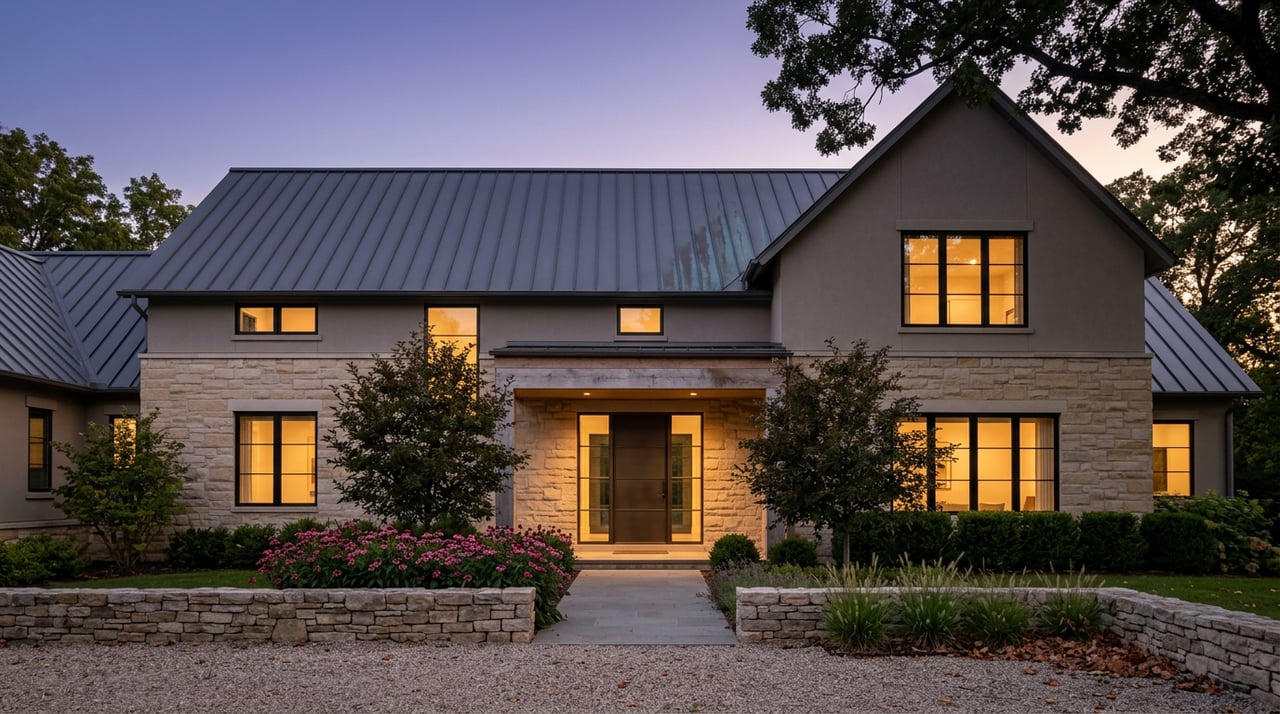
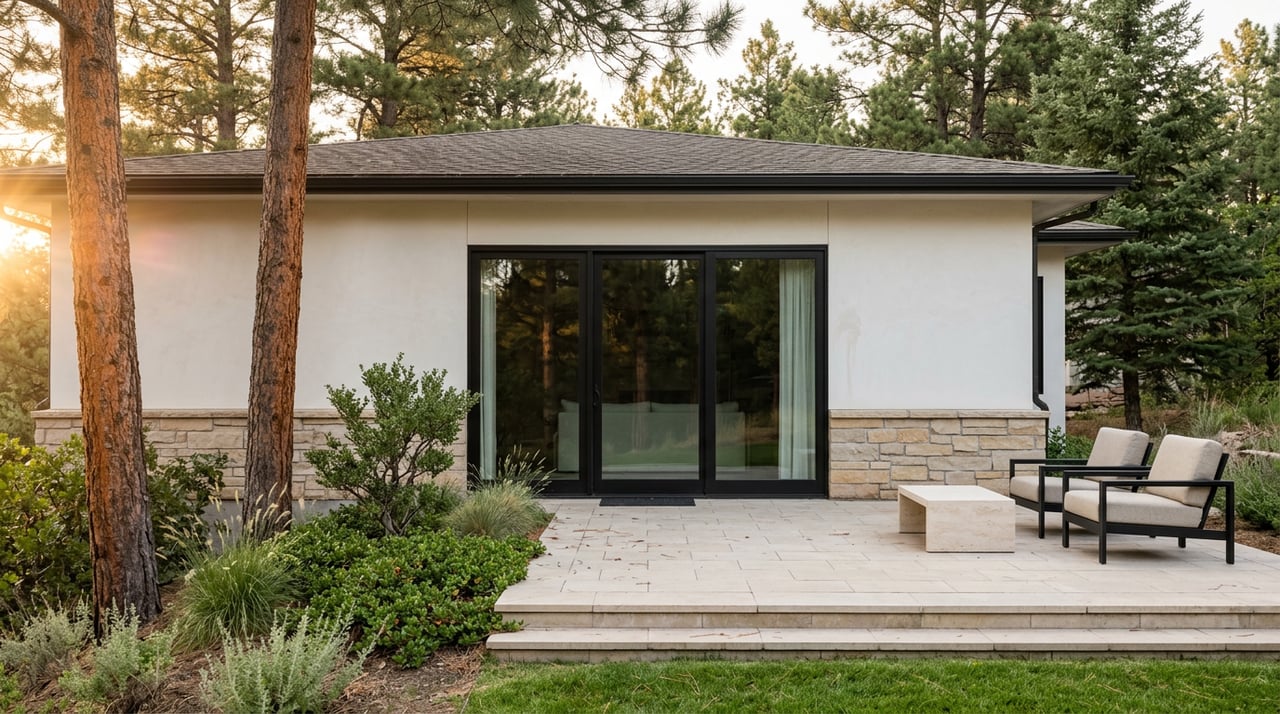
You will see a spectrum from Mountain Contemporary and Modern Farmhouse to traditional and transitional luxury homes. High‑end custom properties often feature natural stone, timber accents, and large glass to frame the foothills. Outdoor living is a priority at nearly every price point, with covered patios, fireplaces, and built‑in grills common in newer or renovated homes.
Typical lot sizes and configurations
- Patio and low‑maintenance products: roughly 0.05 to 0.15 acres in attached or zero‑lot‑line formats.
- Standard single‑family lots in master‑planned areas: roughly 0.1 to 0.5 acres, with many move‑up buyers gravitating to the 0.2 to 0.5 acre range.
- Estate and golf‑course properties in the Village: commonly 0.5 to 1+ acres, with some multi‑acre options present.
Because product types differ, compare lots within the same submarket. A 0.25‑acre interior lot in a newer plan lives very differently than a 0.75‑acre lot backing to golf or open space in The Village.
How topography shapes value
Ridges, slopes, and pine stands drive privacy and view premiums. Many homes orient to southern or southwestern exposures for mountain vistas. Parcels that are cleared for views can trade away some natural privacy. Conversely, wooded lots feel more secluded but may capture smaller view corridors. City planning materials and elevation exhibits make clear that this is a ridge‑and‑valley landscape, not a flat suburb. If you want a walkout basement or a dramatic upper‑level outlook, target ridge‑top parcels and verify orientation on site.
Foothill building and ownership realities
Sloped sites often require engineered grading, retaining walls, and foundations designed for walkouts. The City of Castle Pines outlines when site plans, engineered drawings, and permits are required in the building department FAQs. Expect added time and cost on hillside construction.
Wildfire readiness is also part of ownership in the wildland‑urban interface. The city’s 2024 Community Wildfire Protection Implementation Plan details defensible space, ember‑resistant construction guidance, and ongoing mitigation programs. It is worth reviewing the CWPP Implementation Plan early so you can budget and plan improvements.
Practical due diligence for buyers
Here is a focused checklist to help you move decisively and avoid surprises:
HOA and sub‑association structure
- Request the HOA handbook, CC&Rs, budget, reserve study, and recent board minutes.
- Ask about transfer fees, amenity fees, and whether there is a master association plus a sub‑association.
- In gated environments, dues often cover security, common‑area maintenance, and amenity upkeep.
Special districts, taxes, and assessments
- Many neighborhoods sit in metro or special districts that levy mill rates to fund infrastructure, water, and amenities.
- Review disclosure forms for outstanding bonds and planned capital projects.
- Start with the Castle Pines North Metro District’s resources to understand water, wastewater, and open space functions at CPNMD.
Utilities and water service
- Confirm which provider serves the property and what rules apply for new connections or remodels.
- Large portions of the area are served by Parker Water & Sanitation District. You can see budget and planning context in the PWSD budget document.
Wildfire and defensible space
- Ask for mitigation records and any recent inspection notes.
- Verify HOA or district fuel‑reduction programs in adjacent open space.
- Use the city’s CWPP Implementation Plan to shape your first‑year plan and budget.
Site, geotechnical, and drainage
- For sloped lots or any new work, require a recent geotechnical report.
- Verify that grading, retaining walls, and drainage improvements are permitted and inspected.
- Cross‑check permit requirements in the city’s building FAQs.
Easements, setbacks, and open‑space encumbrances
- Confirm utility easements, HOA setbacks, and any conservation or open‑space dedications.
- These can affect pools, accessory structures, solar placement, and tree removal.
- Neighborhood plats and the city’s Comprehensive Plan are good reference points.
Golf club memberships
- Membership is typically separate from home ownership and not guaranteed.
- If proximity to golf is a driver, build contingencies that allow you to confirm membership status or pathways before closing.
Permits, licensing, and local use tax
- The City requires permits for a wide range of work and enforces contractor licensing and a local use tax.
- Confirm permit history for recent improvements. The building FAQs list common scopes and timelines.
Ownership costs to model
Budgeting clearly is as important as selecting the right lot. Consider the following:
- HOA dues. In The Village, master association dues commonly range around $300 to $600 per month in recent listings. Sub‑association fees may be additional. Always verify current budgets and any pending assessments.
- Metro district taxes. Title 32 districts can add meaningful annual property tax line items tied to bonds and infrastructure. Review disclosure forms early.
- Wildfire mitigation. Plan for initial defensible‑space work, periodic thinning, and tree care.
- Exterior materials. Roofing and siding choices can be guided by WUI best practices. Ask your inspector to review ember‑resistant details and vents.
- Landscaping and irrigation. Sloped and native landscapes can reduce mowing but may require drip systems and seasonal maintenance.
How Castle Pines compares nearby
- Castle Rock. A broader spectrum of prices and a larger town center. Castle Pines typically commands a premium in amenitized enclaves and golf‑oriented submarkets.
- Highlands Ranch. Mature master‑planned product with numerous rec centers and generally lower medians than Castle Pines’ estate neighborhoods. Expect a more uniform suburban scale.
- Lone Tree. Strong proximity to DTC and RidgeGate retail and medical hubs. Price points can be competitive with Castle Pines’ pricier pockets, but the lifestyle leans more urban‑amenity than open‑space.
- Parker. Wider price range and a flatter, less forested landscape. Often a more affordable entry into Douglas County relative to Castle Pines’ gated and estate settings.
Smart search strategy for an upscale buy
- Define your non‑negotiables. Be clear about views, privacy, club access, or walkability to trails.
- Right‑size the lot. A half‑acre that backs to open space may live larger than a one‑acre interior lot. Walk the site at different times of day.
- Verify the numbers. Have your agent pull neighborhood‑specific medians and absorption before you write.
- Inspect for the setting. Add geotechnical, drainage, and wildfire evaluations to your standard inspections.
- Clarify carrying costs. Line‑item HOA dues, metro district taxes, club dues, and annual mitigation into your pro forma.
The bottom line
If you are looking for luxury living with real outdoor connection, Castle Pines delivers a rare balance of privacy, views, and polished community infrastructure. With a thoughtful search, clear due diligence, and an eye for topography, you can secure a home that fits your lifestyle now and holds long‑term appeal.
Ready to explore on the ground or review private opportunities? Reach out to Crowell Realty for a confidential conversation and a curated, data‑backed search plan.
FAQs
Do Castle Pines homes require special permits for remodels?
- Yes. The City enforces building permits, licensed contractors, and a local use tax for many scopes. Review the city’s building guidelines and verify permit history before closing.
What wildfire requirements should I expect as a Castle Pines buyer?
- The city operates in the WUI with an active mitigation plan. Expect defensible space guidance and ember‑resistant material recommendations. Budget for initial and ongoing work.
How do HOAs and metro districts affect my monthly and annual costs in Castle Pines?
- HOAs may include security and amenity upkeep, while metro districts levy taxes for infrastructure and services. Request budgets, bond disclosures, and planned capital project notes early.
Will my Castle Pines home include a golf membership at closing?
- Typically no. Golf club memberships are separate from home ownership. Confirm availability and terms directly with the club before you remove contingencies.
Do I need a geotechnical report when buying a sloped lot in Castle Pines?
- For sloped sites or new work, plan on a property‑specific geotechnical report to support foundation and drainage design. It can add cost and time but protects your investment.
Who provides water and wastewater service to Castle Pines properties?
- Service varies by neighborhood. Parker Water & Sanitation District and Castle Pines North Metro District serve large portions. Confirm the provider and any capacity fees during due diligence.