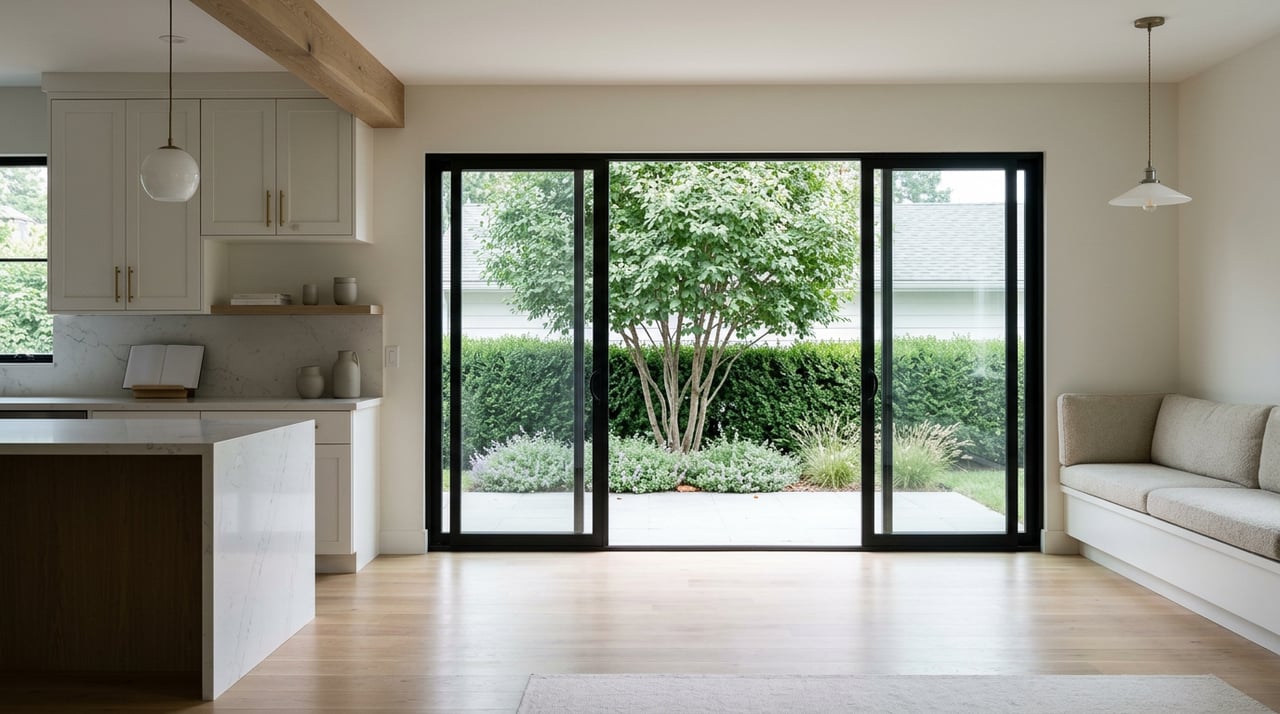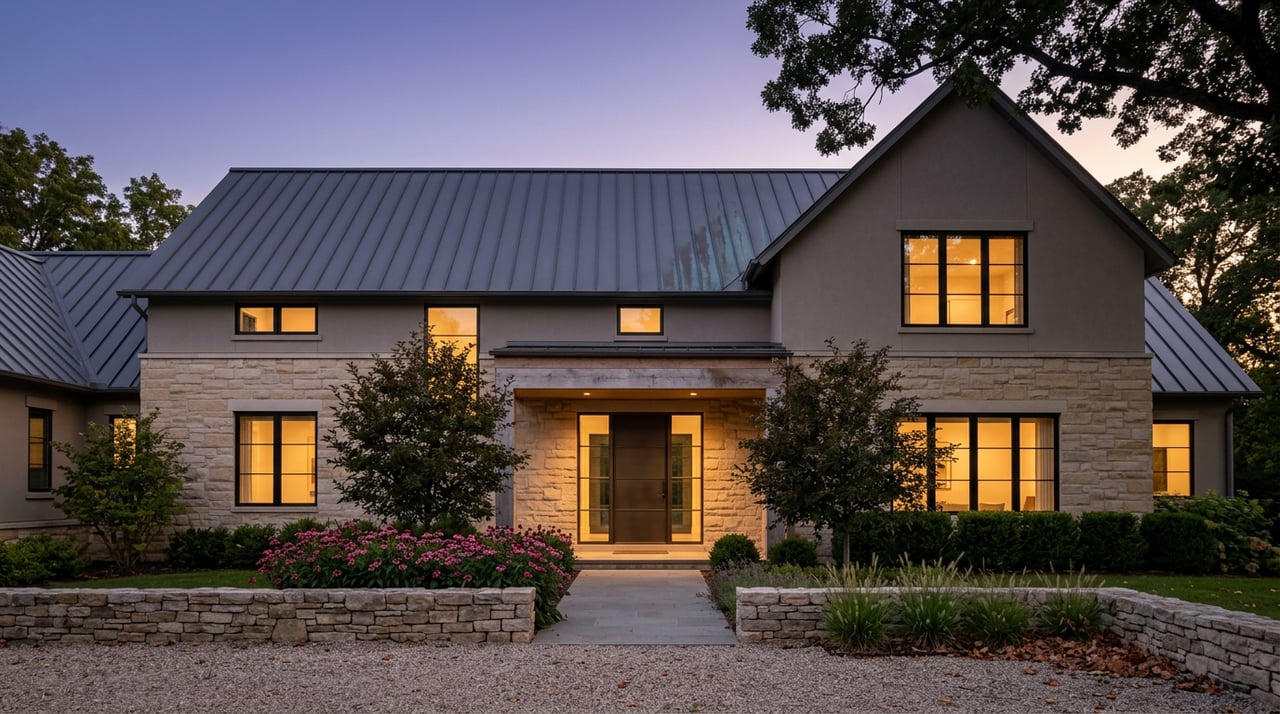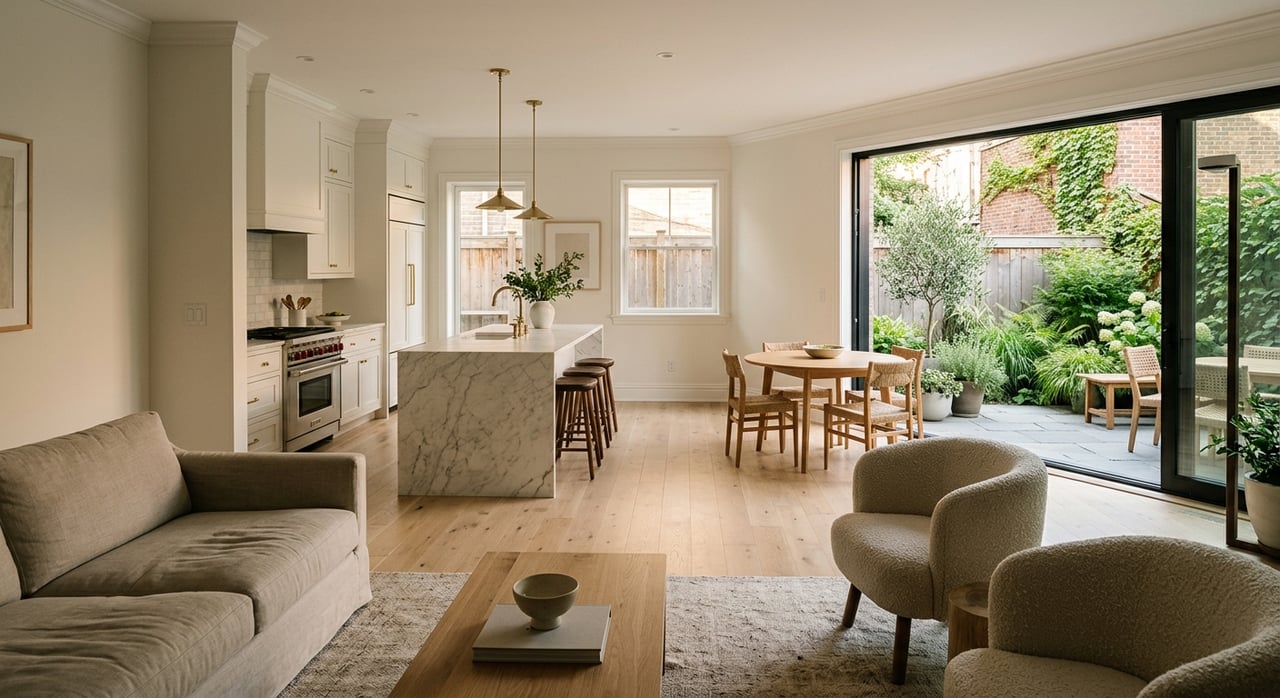
If you have lived in Bonnie Brae for years, the idea of downsizing can feel more personal than practical. This is not just any Denver neighborhood. It is a small, established enclave of about 650 homes with a long memory, distinctive architecture, and streets designed to feel like a peaceful village. If you are thinking about simplifying your next chapter, this guide will help you understand what makes downsizing in Bonnie Brae unique, how to plan your move with less stress, and what to watch for before you list. Let’s dive in.
Why downsizing in Bonnie Brae is unique
Bonnie Brae was developed in the 1920s, and its curved street plan was intentionally designed to evoke a Scottish village centered around Bonnie Brae Park, according to the Bonnie Brae Neighborhood Association’s history. The neighborhood was fully built out by 1956, which helps explain why many homes here feel more like legacy properties than interchangeable housing stock.
That history shapes the downsizing experience. In many neighborhoods, moving smaller is a matter of choosing from a steady flow of similar homes. In Bonnie Brae, the housing mix is more eclectic, with Tudors, Spanish, Bauhaus, International, Postmodern, and postwar ranch homes all part of the streetscape, as noted by the neighborhood association. That variety adds character, but it also means each move tends to be highly specific.
Because Bonnie Brae is small and established, in-neighborhood downsizing options can be limited. The association’s overview highlights the neighborhood’s compact size and strong identity, which many residents value deeply. If you want to stay in the area while reducing maintenance or square footage, patience and flexibility often matter as much as budget.
What the current market means for you
As of March 2026, Bonnie Brae had a median home sale price of $1.89 million, with 10 homes for sale and a median of 39 days on market, according to Realtor.com’s neighborhood overview. The area is labeled a seller’s market, but homes are still selling about 4.29% below asking on average. In other words, demand is there, yet pricing still needs to be disciplined.
That point matters if you are selling a longtime home with strong emotional value. Bonnie Brae is a premium micro-market, but buyers still compare condition, layout, and presentation carefully. A beautifully maintained Tudor and a ranch with dated finishes may not attract the same response, even on the same block.
For a broader frame of reference, Denver’s median sale price was $567,500 in February 2026, and homes took about 42 days to sell, according to Redfin’s Denver housing market data. Bonnie Brae operates at a different price point, but it is still influenced by the wider metro pace. That is why a smart downsizing plan balances confidence with realism.
Why many owners decide to downsize now
Downsizing is rarely just about square footage. The National Association of Realtors 2025 profile of home buyers and sellers found that baby boomers remain the largest share of both buyers and sellers, with the typical seller age at 64 and repeat buyers at 62. Older buyers most often cite retirement, wanting a smaller home, and being closer to friends and family.
If that sounds familiar, you are not alone. For many Bonnie Brae owners, the goal is not to leave behind what they love. It is to keep the lifestyle they enjoy while letting go of rooms, stairs, storage, or upkeep they no longer need.
Equity also plays a major role. NAR reports that homeowners gained an average of $140,900 in wealth over the last five years, and more than half of repeat buyers use proceeds from a previous sale to help fund the next home. For longtime Bonnie Brae owners, protecting that equity is often central to the conversation.
Can you stay in Bonnie Brae?
Possibly, but tight inventory can make that easier said than done. With only 10 homes for sale in Bonnie Brae as of March 2026, your choices may be limited at any given moment, based on Realtor.com’s local data. If your ideal next home is smaller, lower-maintenance, and on a specific type of lot or floor plan, you may need time for the right fit to surface.
That is why many downsizers expand their search radius while staying close to familiar routines. Nearby areas such as Washington Park, Belcaro, and Cherry Creek currently offer more inventory than Bonnie Brae. Washington Park had 73 homes for sale, while the research report notes 37 in Belcaro and 60 in Cherry Creek.
That does not mean those neighborhoods are substitutes for Bonnie Brae. It simply means they may provide more options if your priorities are convenience, a smaller footprint, or a lock-and-leave lifestyle without moving far from central Denver.
How to plan a lower-stress move
One of the biggest downsizing questions is timing. Do you buy first, or sell first? The right answer depends on your finances, comfort with uncertainty, and how flexible you can be during the transition.
A common low-pressure approach is to sell first and rent temporarily if needed, according to NAR’s guidance on later-life moves. That route can help you avoid rushing into a purchase just because you are under deadline. It also gives you time to evaluate what you truly want in the next home.
A calm planning process often looks like this:
- Define what “simpler” really means to you.
- Estimate your likely sale range and equity position.
- Decide whether staying in Bonnie Brae is a need or a preference.
- Explore nearby alternatives if inventory is tight.
- Prepare your current home for market with targeted improvements.
- Build a timeline that leaves room for overlap, storage, or short-term housing if needed.
This kind of sequence is especially helpful in a neighborhood where each property is distinct and next-home options can be limited.
Preparing a Bonnie Brae home for sale
In Bonnie Brae, thoughtful preparation usually matters more than sweeping renovation. Because homes here vary widely in age, style, and updates, buyers tend to respond strongly to homes that feel well cared for, bright, and easy to understand.
The NAR 2025 staging snapshot found that 83% of buyers’ agents said staging helps buyers visualize a home as their future residence. The most commonly staged rooms were the living room, primary bedroom, and dining room. If you are getting ready to list, those are smart places to focus first.
Fannie Mae’s aging-in-place guidance offers useful advice that also supports resale. Decluttering living areas, improving lighting, simplifying pathways, and addressing safety concerns can make a home feel larger, calmer, and more move-in ready. Even if you are not making major updates, these steps can improve how buyers experience the home.
Focus on visible improvements
In many cases, the best pre-sale work is selective. Fresh paint, edited furnishings, improved lighting, and minor repairs often do more for presentation than an expensive remodel. In a neighborhood with original Tudors, ranch homes, and later additions, buyers often notice space, circulation, and condition before they notice luxury finishes.
That does not mean updates never matter. If there is clear deferred maintenance, it should be addressed. But if the home is fundamentally sound, strategic refreshes are often more effective than over-improving for the market.
Check exterior rules before work begins
If your property is individually landmarked or located in a historic district, Denver may require exterior design review and, for many projects, a Certificate of Appropriateness before permit work moves forward. The city outlines these requirements through its Landmark Design Review process.
This is especially important if your home has original exterior features and you are considering replacing windows, doors, roofing, or other visible elements. Before investing in work that seems routine, it is worth confirming whether additional review applies.
Pricing with care, not emotion
Longtime owners often know every chapter of their home’s story. Buyers, however, will evaluate the property against current alternatives, current condition, and current financing realities. In a market where Bonnie Brae is still a seller’s market but average sale prices are landing below list, precision matters.
NAR reports that sellers most often choose an agent based on help with marketing, competitive pricing, and selling within a specific timeframe. That reflects what many downsizers need most: not just exposure, but a process. The goal is to protect value while reducing uncertainty.
In a neighborhood like Bonnie Brae, that often means pairing data with narrative. A home with architectural character, meaningful updates, and a strong location story should be marketed with care. At the same time, pricing has to reflect what today’s buyers can compare in real time.
Why a tailored strategy matters
Downsizing in Bonnie Brae is not a commodity move. It is often a transition from one meaningful chapter to another, and that deserves more than a generic listing plan. You may be balancing timing, privacy, repairs, estate planning, family conversations, and the search for a home that feels easier without feeling lesser.
That is where a concierge approach can make a real difference. From thoughtful preparation and pricing to polished storytelling and access to broader buyer networks, the right strategy can help you move forward with more clarity and less friction.
If you are considering a move, Crowell Realty can help you evaluate your options, understand today’s Bonnie Brae market, and build a downsizing plan that fits your timeline and goals.
FAQs
Is downsizing within Bonnie Brae realistic right now?
- Possibly, but inventory is limited in Bonnie Brae, so staying in the neighborhood may require patience and flexibility.
What updates matter most before selling a Bonnie Brae home?
- Decluttering, staging key rooms, improving lighting, and handling visible maintenance issues are often the most effective steps before listing.
Do Bonnie Brae sellers need to worry about historic review rules?
- If your home is individually landmarked or in a historic district, Denver may require exterior review before certain visible changes can move forward.
Should Bonnie Brae homeowners sell first or buy first when downsizing?
- Many downsizers prefer to sell first and rent temporarily if needed, which can reduce pressure and help avoid a rushed purchase.
Are nearby neighborhoods worth considering if Bonnie Brae inventory is tight?
- Yes, nearby areas such as Washington Park, Belcaro, and Cherry Creek may offer more available options while keeping you close to central Denver.